Treatment
Cracked Tooth Treatment
Diagnoses and repairs cracked teeth with bonding, crowns, or root canal therapy depending on how deep the crack runs.
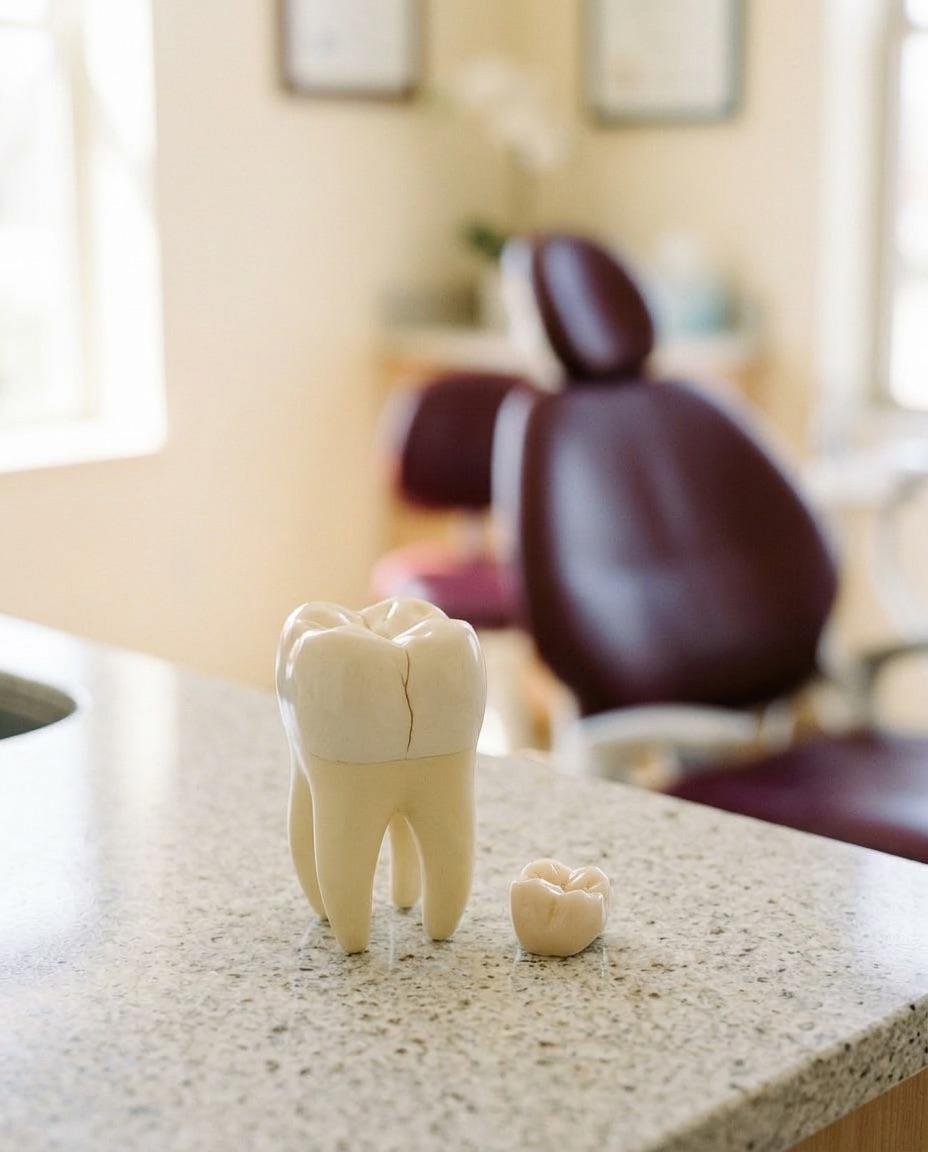
A cracked tooth can have a tiny surface line or a deep split that reaches the nerve. Treatment depends on where the crack is and how far it goes, so the first step is a careful exam to find out.
We examine the tooth, check how it feels when you bite, and use our intraoral camera and digital X-rays. Many cracks do not show on X-rays, so the exam matters. Shallow cracks may be repaired with bonding, deeper ones often need a crown, and a crack that reaches the nerve may need root canal therapy. A tooth split below the gumline sometimes cannot be saved.
Treating a crack early can relieve pain when you bite or when the tooth meets hot and cold. It can also help keep a crack from spreading and keep your natural tooth in place. Your dentist will explain which option fits your tooth.
FAQ
Frequently Asked Questions
Common questions about cracked tooth treatment.
Common signs are pain when you bite, sensitivity to hot or cold, and pain that comes and goes. Some cracks cause no pain at all. A dental exam is the only reliable way to tell.
No. Teeth cannot repair a crack the way bone repairs a break. A crack can slowly get worse, so it is wise to have it checked soon.
The tooth is numbed first, so most patients feel only pressure. Some soreness for a few days afterward is normal. We also offer sedation options if you feel anxious.
It depends on how deep the crack runs. Small cracks may need only bonding, while deeper cracks often need a crown, and some need root canal therapy. Your dentist will recommend the right option after an exam.
Many dental plans cover part of this care when it is needed for the health of the tooth. We can check your benefits for you. Financing is also available.
Technology
Planned in 3D before treatment begins.
From the first scan to the final teeth, the technology that plans your care is here in our office. It helps us see clearly, but your plan is always built around your goals.
 01 / 06 · 3D imaging
3D imaging
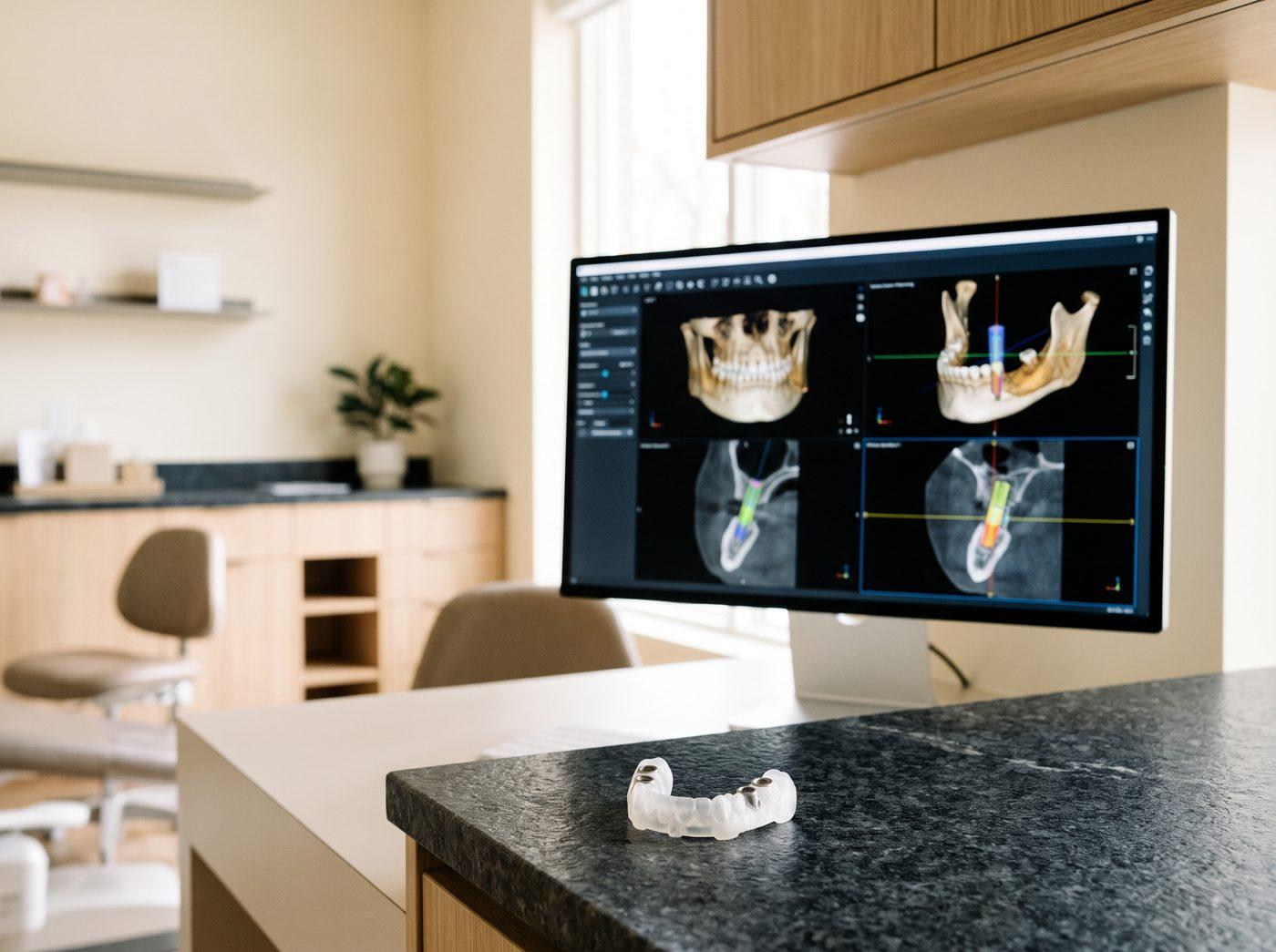
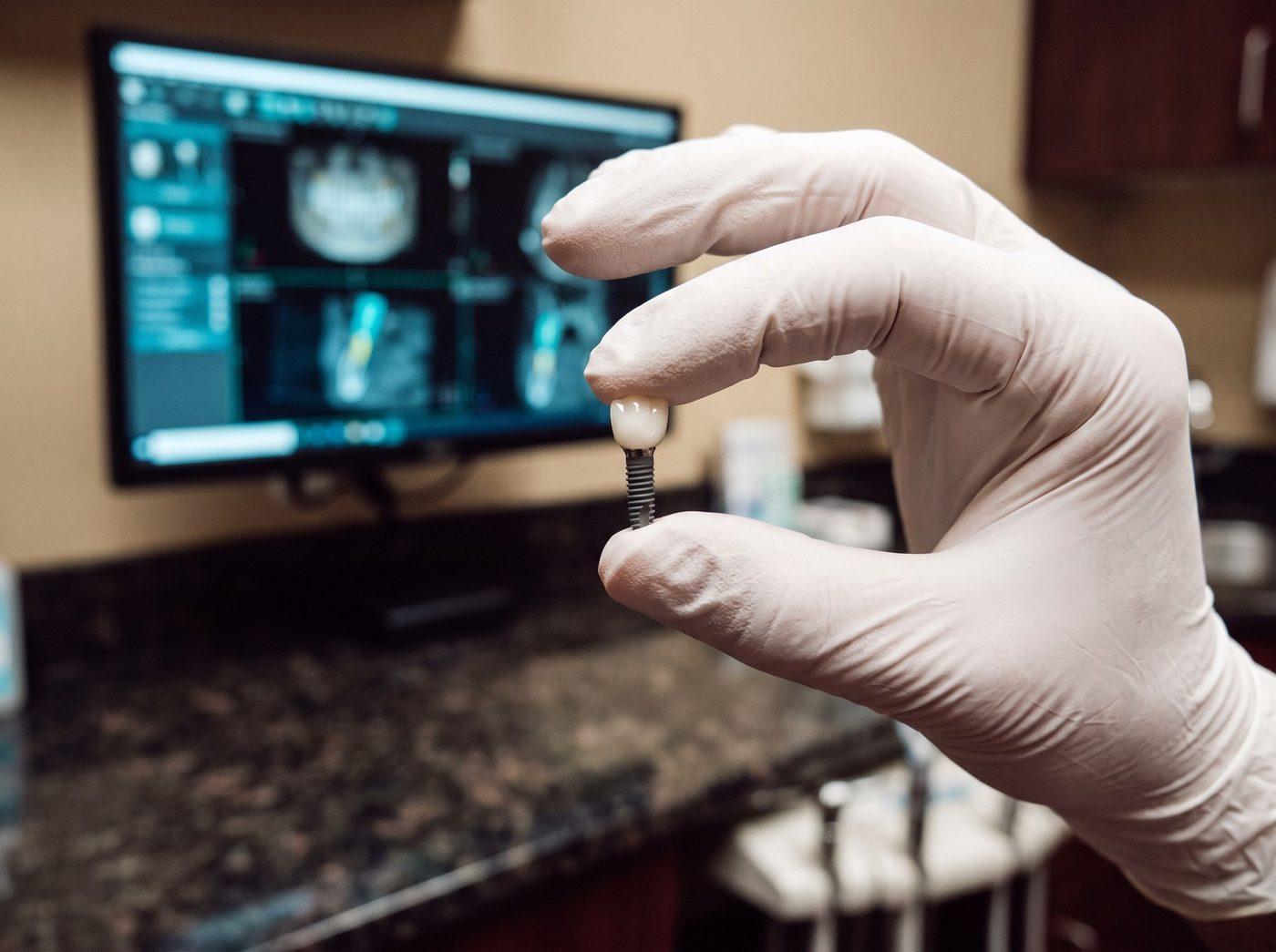
A 3D view of bone, nerves and sinuses, so implant placement is planned on your real anatomy.
Guided surgery
Implants are placed through a guide made from your scan, following the plan set in advance.
Comfort
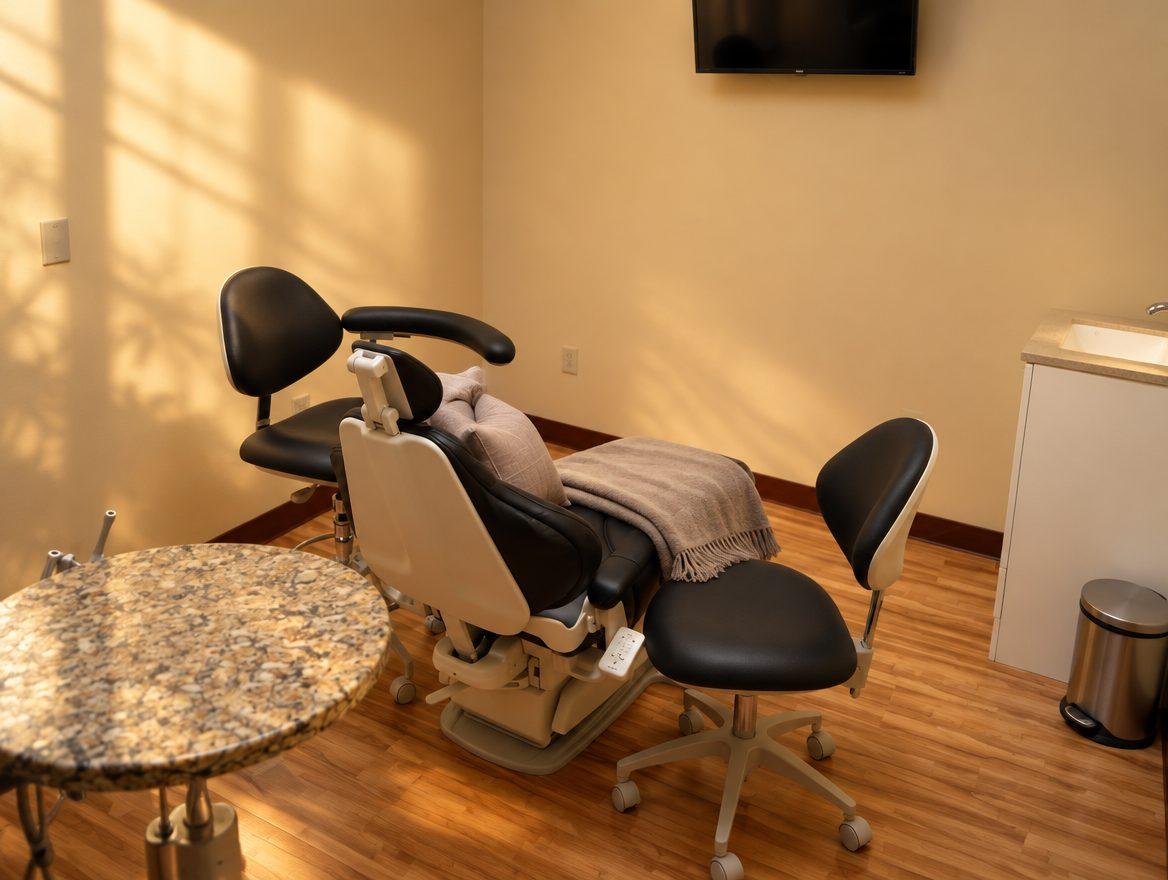
A dedicated space for IV moderate sedation during longer or more involved procedures.
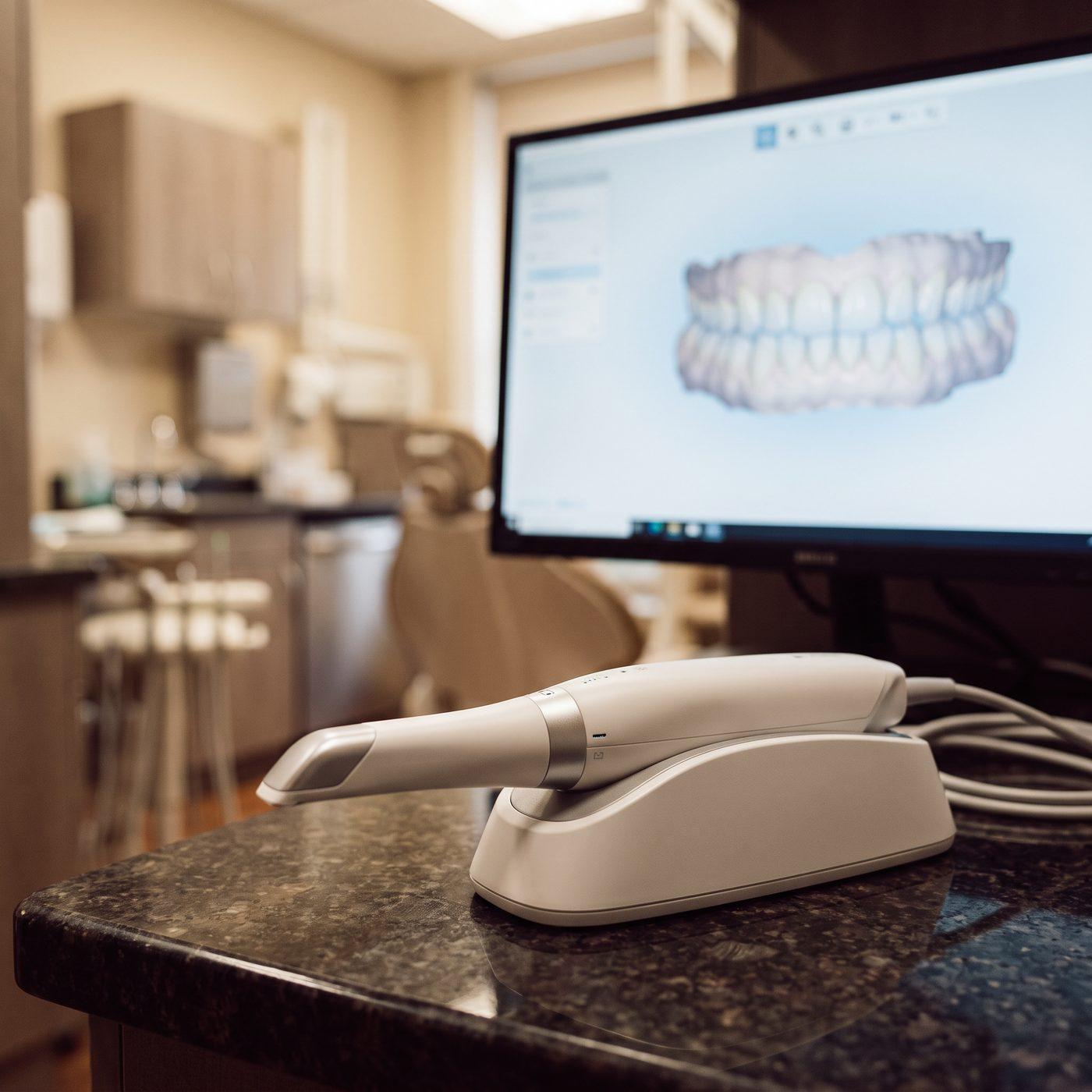
Digital impressions
Precise digital impressions instead of trays filled with impression material.
Digital impressions
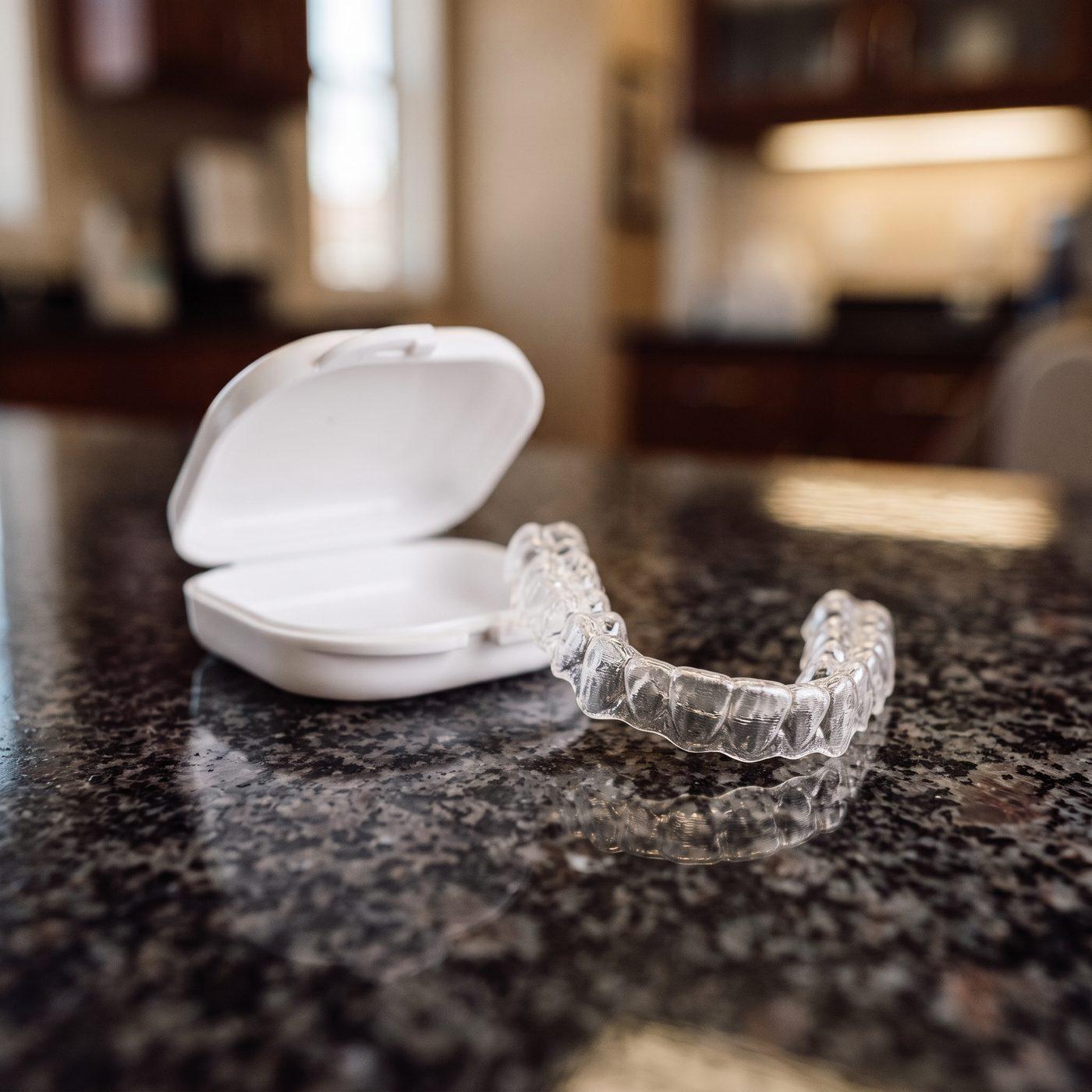
3D scans of your teeth for planning restorations and clear aligners.
In-house
Surgical guides, models and restorations made with our own 3D printers and lab.
Before you ask
Cost, pain, the unknown: answered.
If you're weighing implants or a bigger treatment, these are the three questions to settle first.
- Will it hurt?
Sedation from a certified dentist
We never judge your dental history. Dr. Sareen is certified in IV moderate sedation, oral sedation is available too, and a board-certified anesthesiologist joins us when needed, so you can choose how relaxed you want to be.
About sedation
- Can I afford it?
In-network with 13 plans
We're in-network with 13 insurance plans and offer financing through six partners, so treatment can be paid over time.
Insurance & financing
- What happens first?
A first visit that starts with answers
Your first visit includes an exam, screenings and a consultation. You leave knowing your options and the next step.
Book a consultation
Financing through
- Cherry
- CareCredit
- Sunbit
- Proceed
- HFD
- PatientFi