Treatment
Dental Bonding
Tooth-colored resin that repairs small chips, cracks, and gaps, usually completed in a single visit.
Dental bonding uses a tooth-colored resin to repair small chips, cracks, gaps and stained spots. The material is shaped right on your tooth and hardened with a special light, so it blends with the rest of your smile.
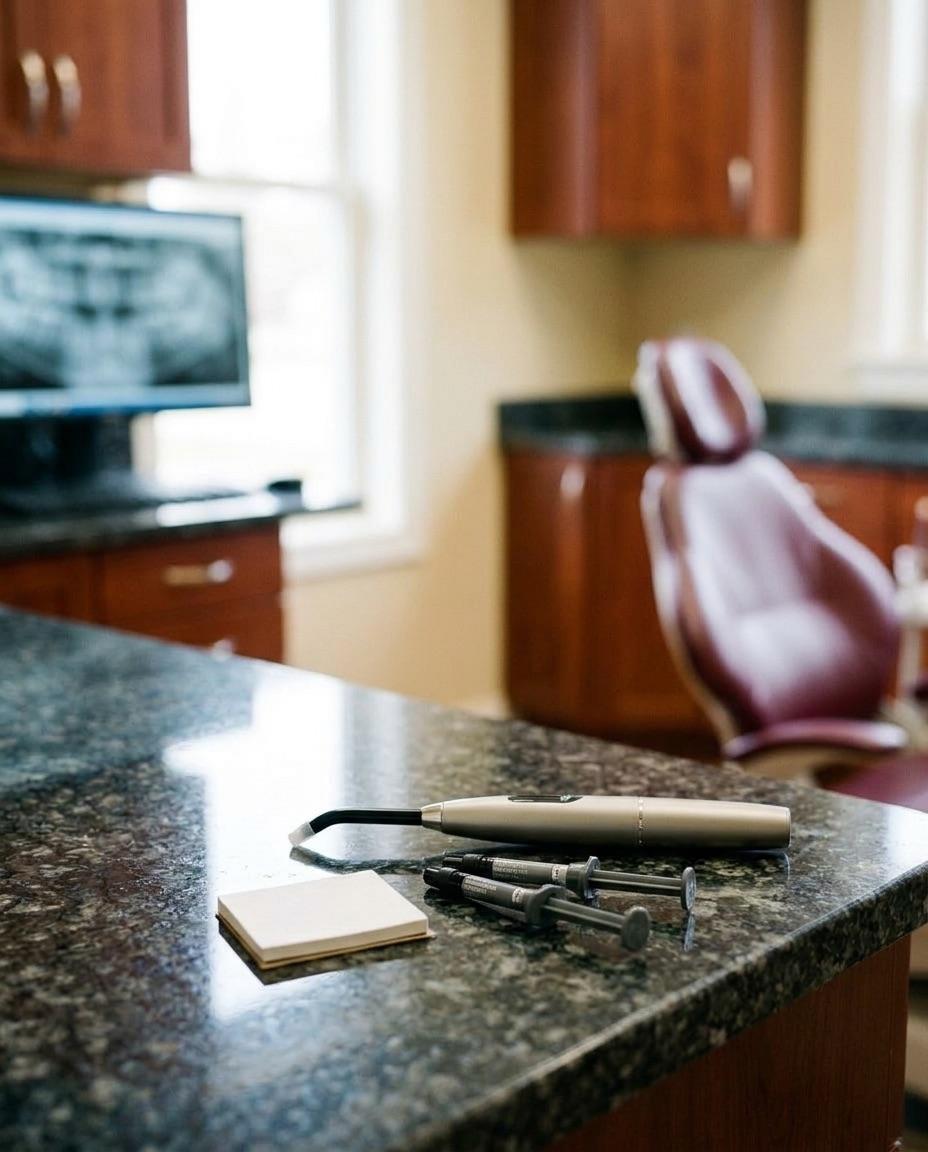
We choose a resin shade that matches your tooth and lightly roughen the surface so the material holds. The resin is applied, shaped by hand, hardened with a curing light, then polished. Many cases need no numbing, and your dentist will tell you if yours does.
Bonding can improve how a tooth looks and repair minor damage, often in a single visit. It usually removes little or none of your natural tooth, which keeps the treatment gentle.
FAQ
Frequently Asked Questions
Common questions about dental bonding.
Bonding suits small chips, minor gaps and small cracks. Larger repairs or bigger changes may be better served by a crown or veneer. Your dentist will recommend what fits your tooth.
Most patients feel little or no discomfort. Numbing is often not needed unless a cavity is being treated at the same time. Your dentist will go over this with you.
It is usually done in one visit. The time depends on how many teeth are treated. Your dentist will estimate this at your appointment.
Bonding can last for years, but it is not permanent. Biting on hard objects or nails can chip it, and it may need touch-ups or replacement over time.
Coverage is usually limited when bonding is cosmetic, and may be higher when it repairs a damaged tooth. We can check your benefits and review financing options with you.
Technology
Planned in 3D before treatment begins.
From the first scan to the final teeth, the technology that plans your care is here in our office. It helps us see clearly, but your plan is always built around your goals.
 01 / 06 · 3D imaging
3D imaging
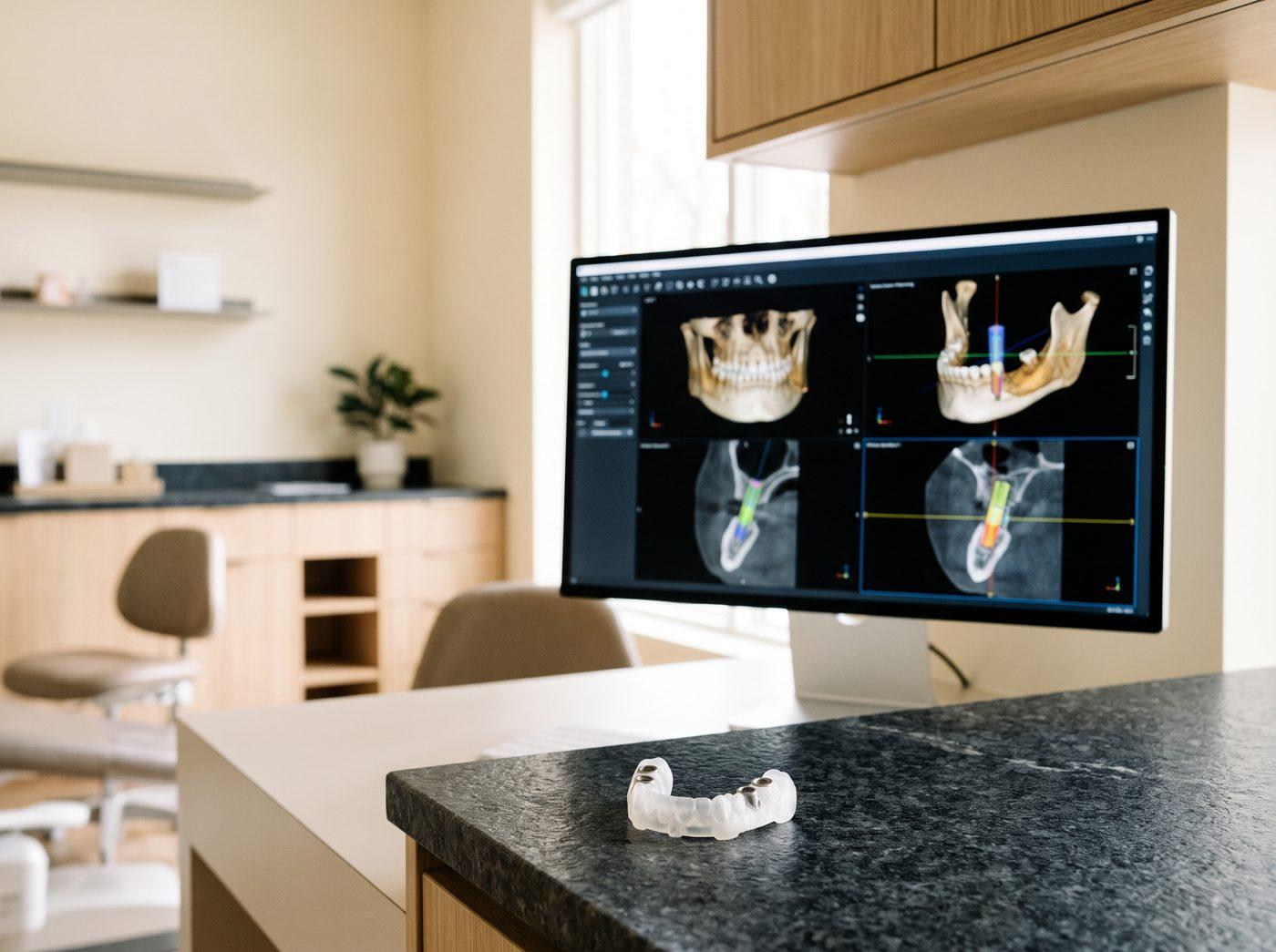
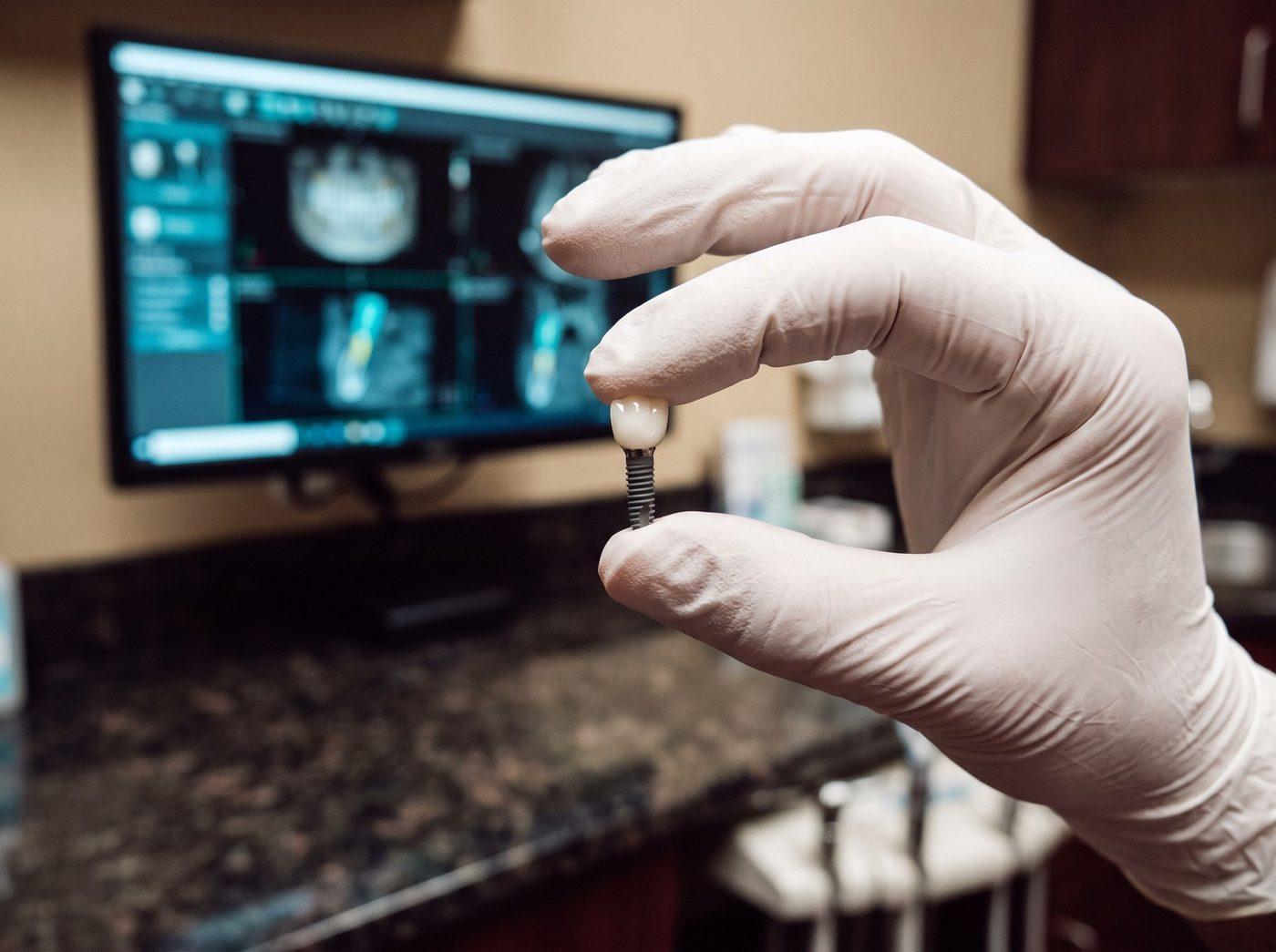
A 3D view of bone, nerves and sinuses, so implant placement is planned on your real anatomy.
Guided surgery
Implants are placed through a guide made from your scan, following the plan set in advance.
Comfort
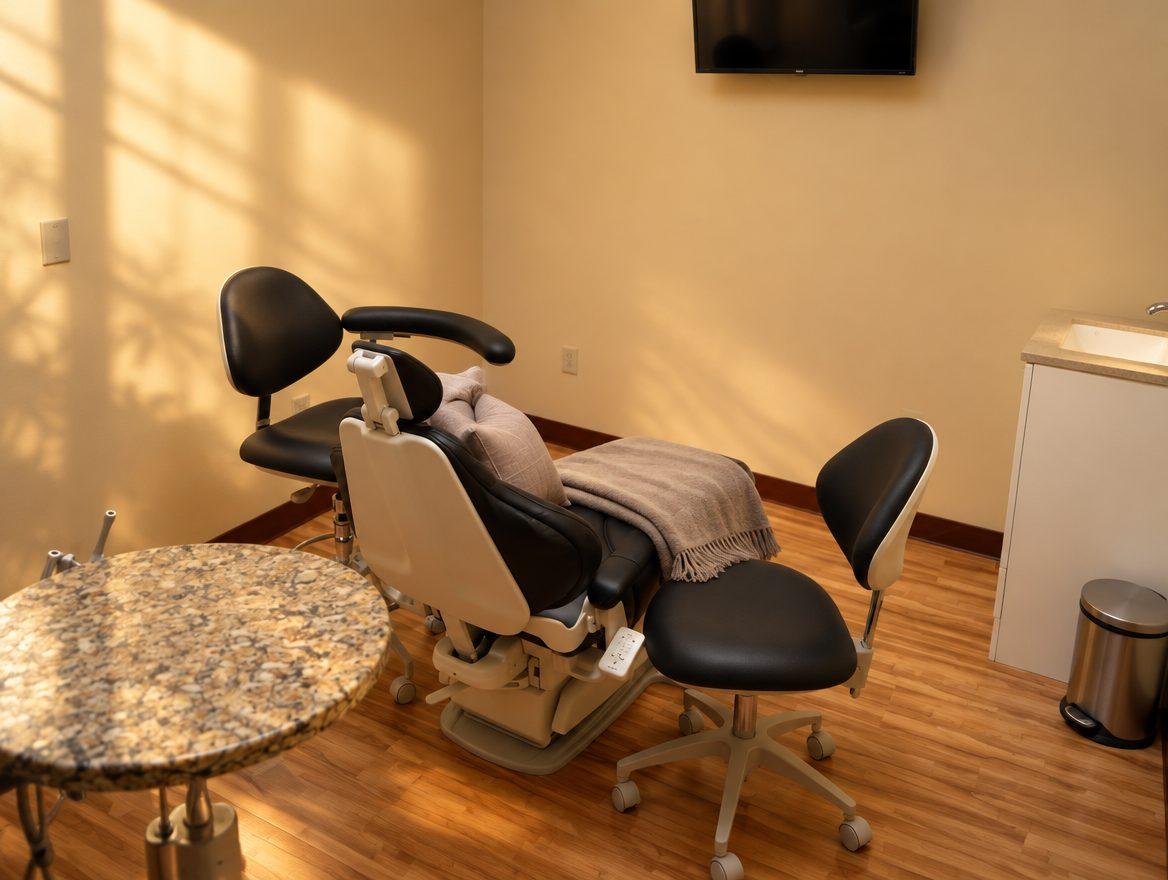
A dedicated space for IV moderate sedation during longer or more involved procedures.
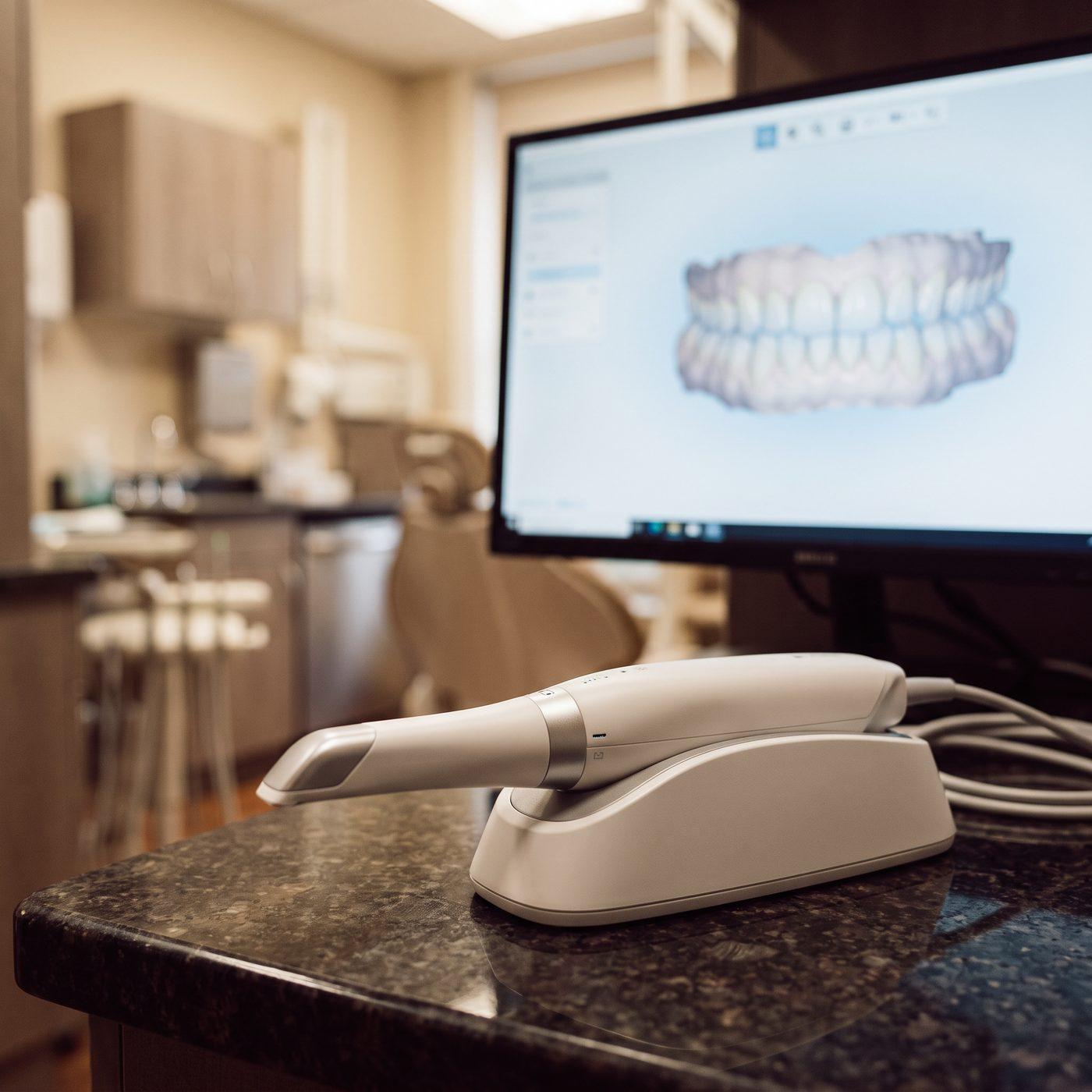
Digital impressions
Precise digital impressions instead of trays filled with impression material.
Digital impressions
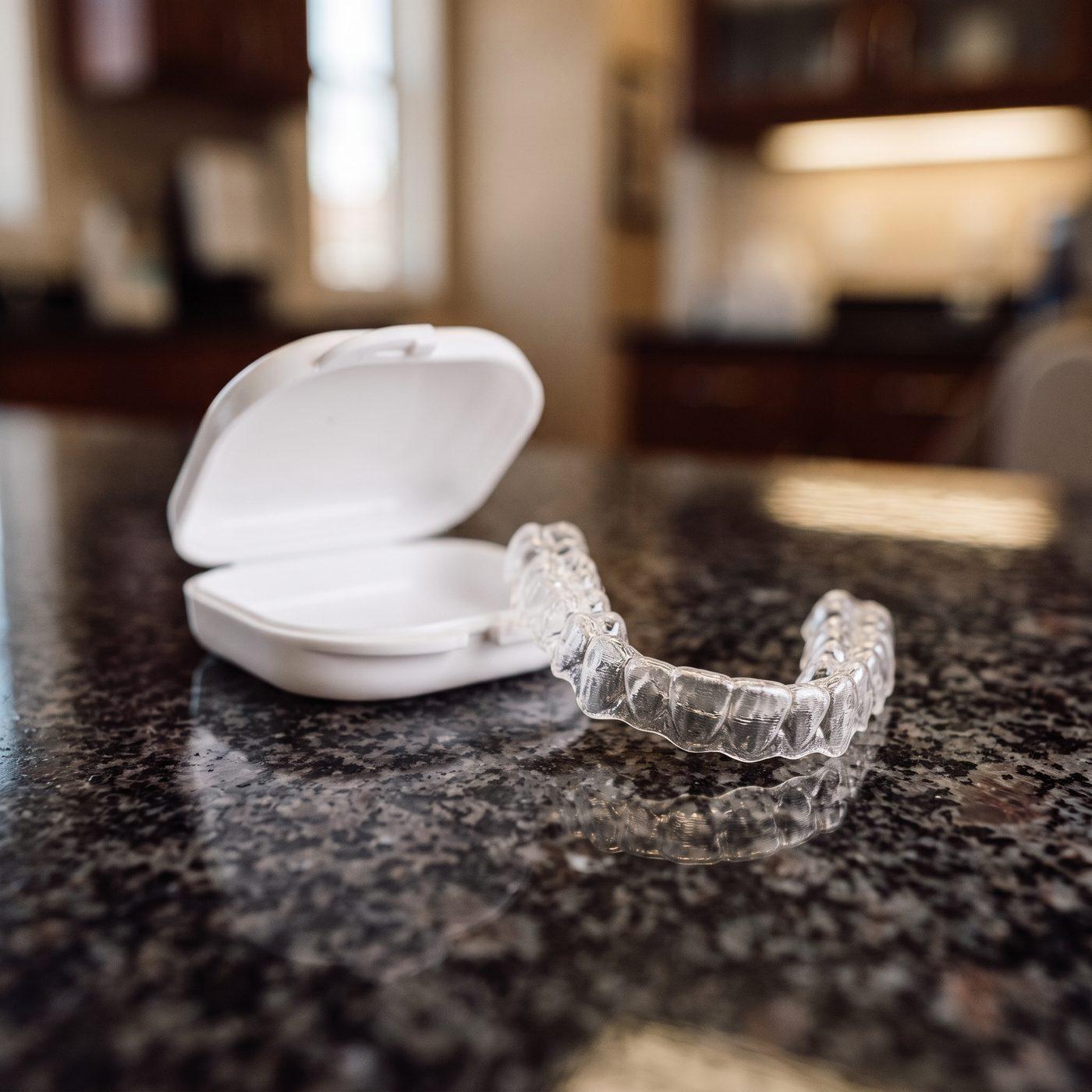
3D scans of your teeth for planning restorations and clear aligners.
In-house
Surgical guides, models and restorations made with our own 3D printers and lab.
Before you ask
Cost, pain, the unknown: answered.
If you're weighing implants or a bigger treatment, these are the three questions to settle first.
- Will it hurt?
Sedation from a certified dentist
We never judge your dental history. Dr. Sareen is certified in IV moderate sedation, oral sedation is available too, and a board-certified anesthesiologist joins us when needed, so you can choose how relaxed you want to be.
About sedation
- Can I afford it?
In-network with 13 plans
We're in-network with 13 insurance plans and offer financing through six partners, so treatment can be paid over time.
Insurance & financing
- What happens first?
A first visit that starts with answers
Your first visit includes an exam, screenings and a consultation. You leave knowing your options and the next step.
Book a consultation
Financing through
- Cherry
- CareCredit
- Sunbit
- Proceed
- HFD
- PatientFi