Treatment
Dental Sealants
A thin protective coating on the chewing surfaces of back teeth that helps keep out food and bacteria.
A dental sealant is a thin, protective coating painted onto the chewing surfaces of back teeth. It covers the deep grooves where food and bacteria tend to collect.
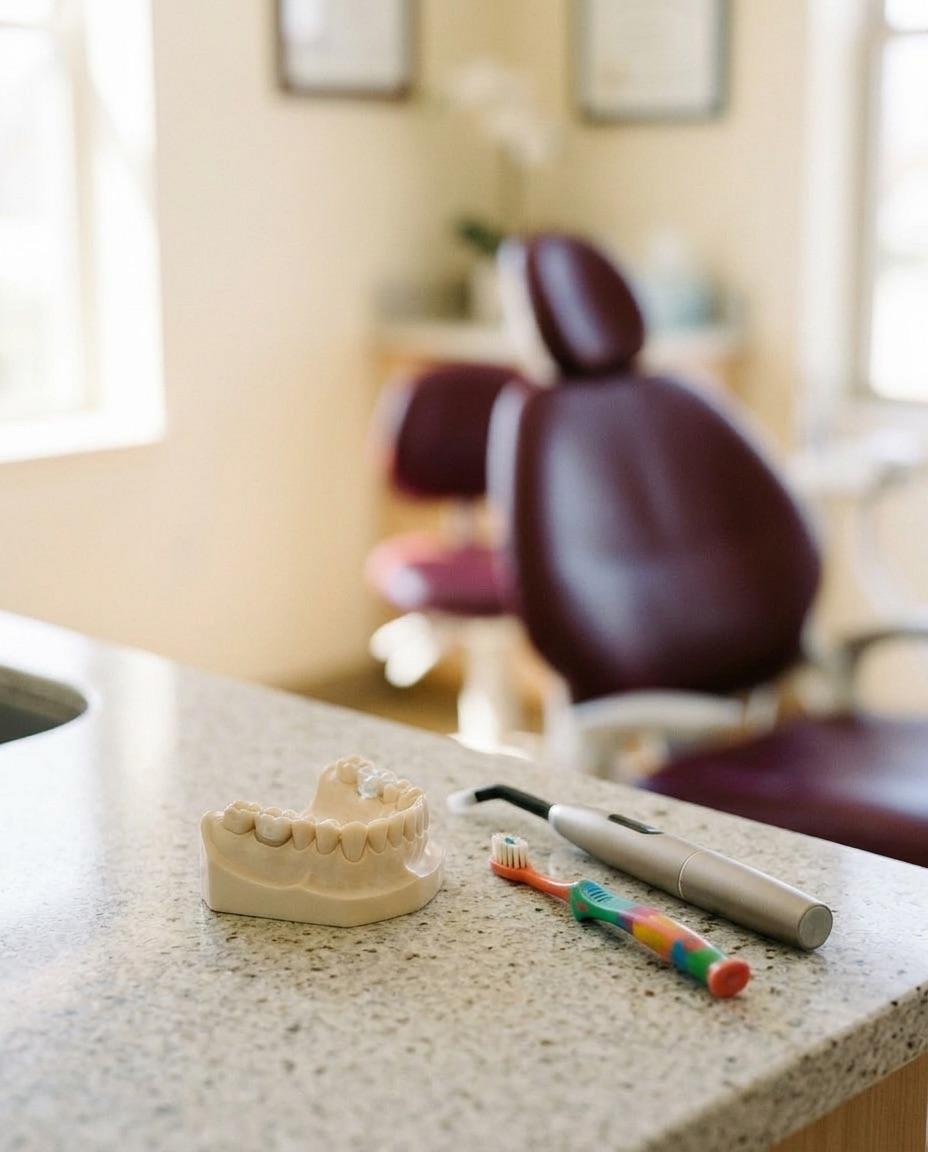
We clean the tooth, keep it dry, and apply a mild gel that helps the sealant grip the enamel. After rinsing and drying, we brush the liquid sealant into the grooves and harden it, usually with a curing light. Each tooth takes only a few minutes.
Sealing the grooves creates a smoother surface that is easier to clean, which helps protect against decay. With regular checkups, sealants can last for many years.
FAQ
Frequently Asked Questions
Common questions about dental sealants.
Sealants are often placed on children's new permanent molars, but adults with deep grooves and no decay can benefit too. Your dentist will advise you.
No. There is no drilling or numbing. The process is quick, and most patients feel nothing more than the tooth being dried and the sealant being brushed on.
Often several years, though they can wear or chip. We check them at your regular visits and touch them up or replace them when needed.
Not over a true cavity. Sealants are meant for healthy grooves, though a dentist may seal a very early spot that has not broken through the enamel. A cavity needs a filling or other treatment first.
Many dental plans cover sealants, often for children, but coverage varies. We can check your benefits for you.
Technology
Planned in 3D before treatment begins.
From the first scan to the final teeth, the technology that plans your care is here in our office. It helps us see clearly, but your plan is always built around your goals.

 01 / 06 · 3D imaging
3D imaging
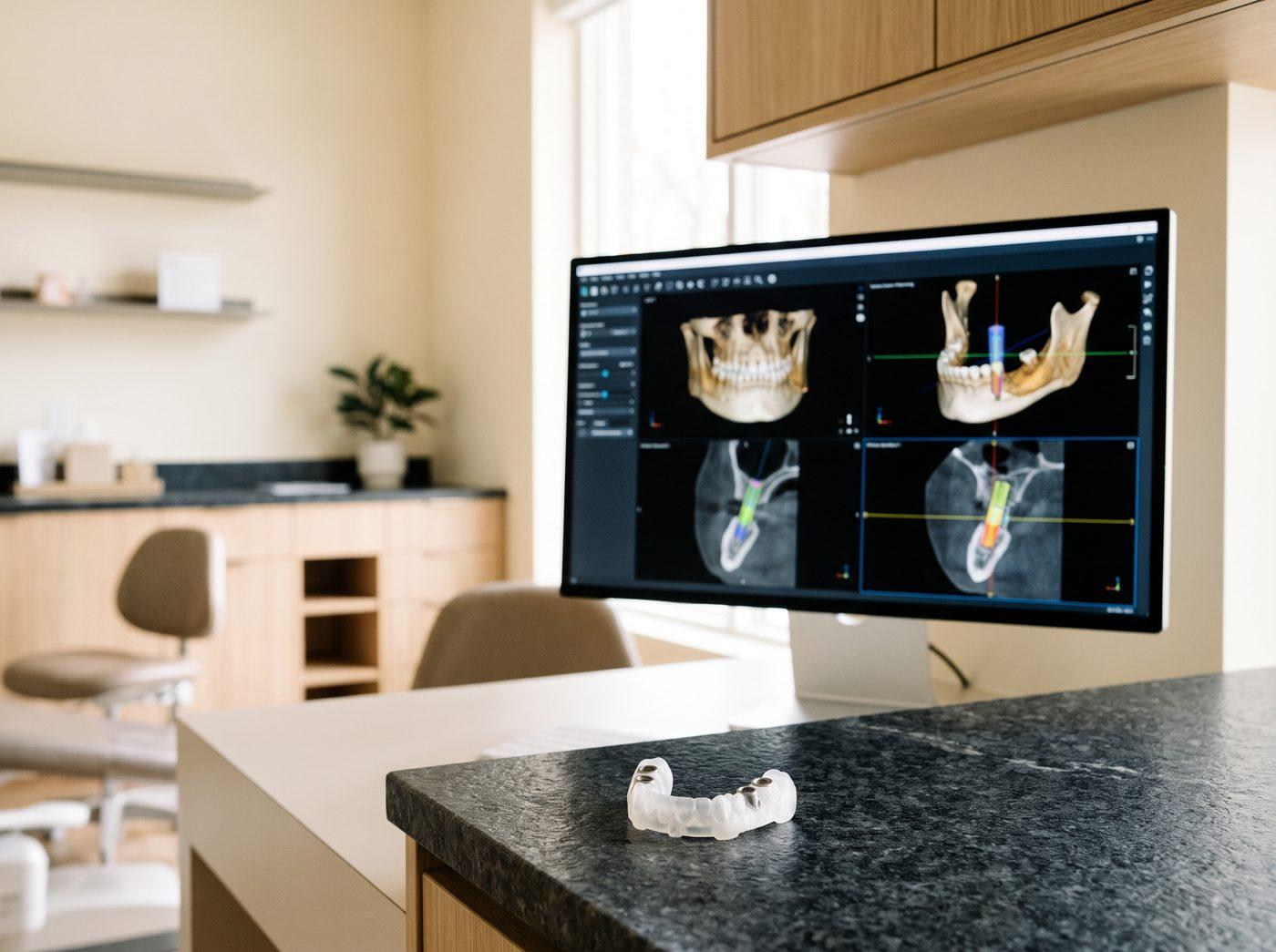
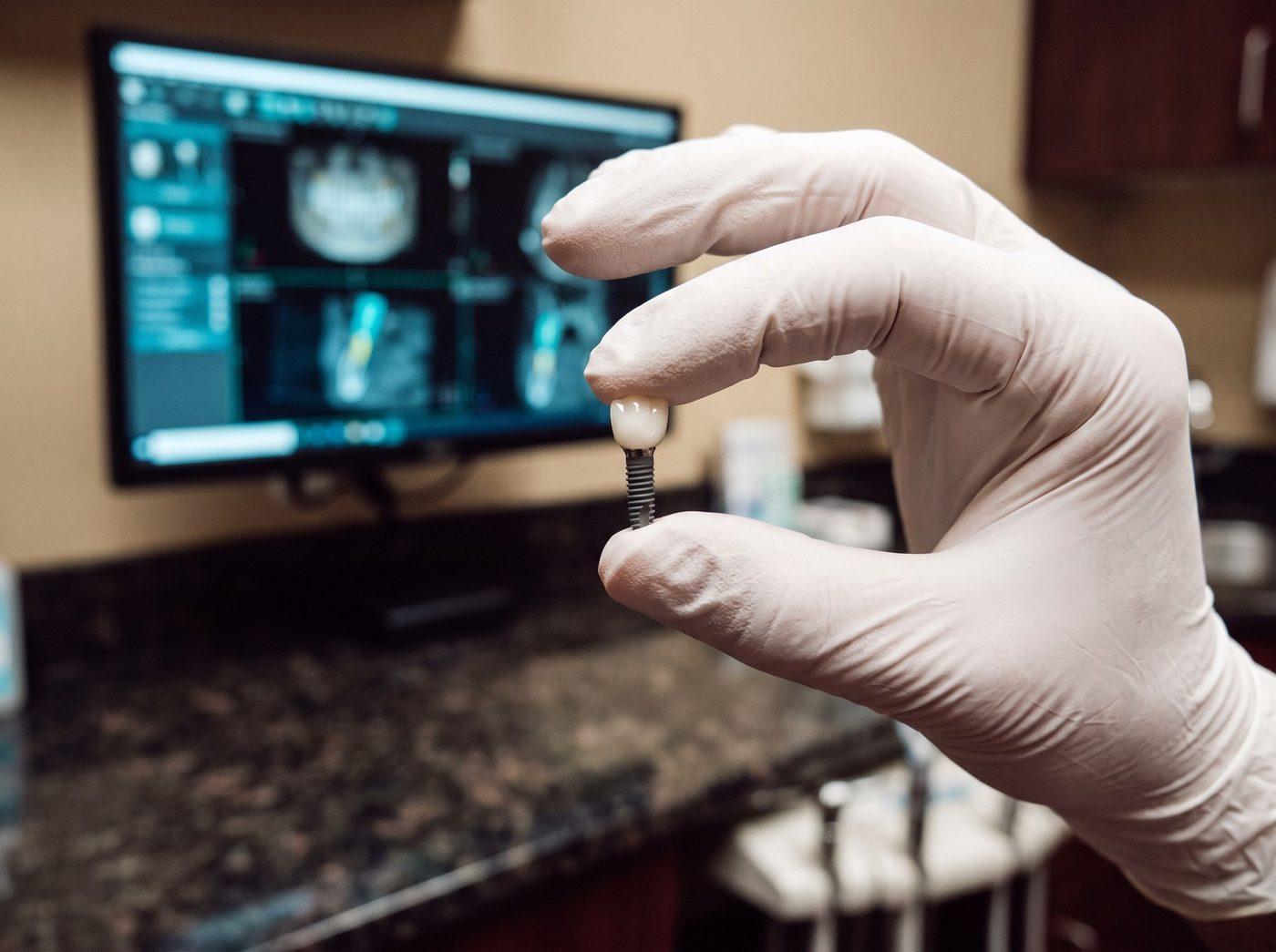
A 3D view of bone, nerves and sinuses, so implant placement is planned on your real anatomy.
Guided surgery
Implants are placed through a guide made from your scan, following the plan set in advance.
Comfort
A dedicated space for IV moderate sedation during longer or more involved procedures.
Digital impressions
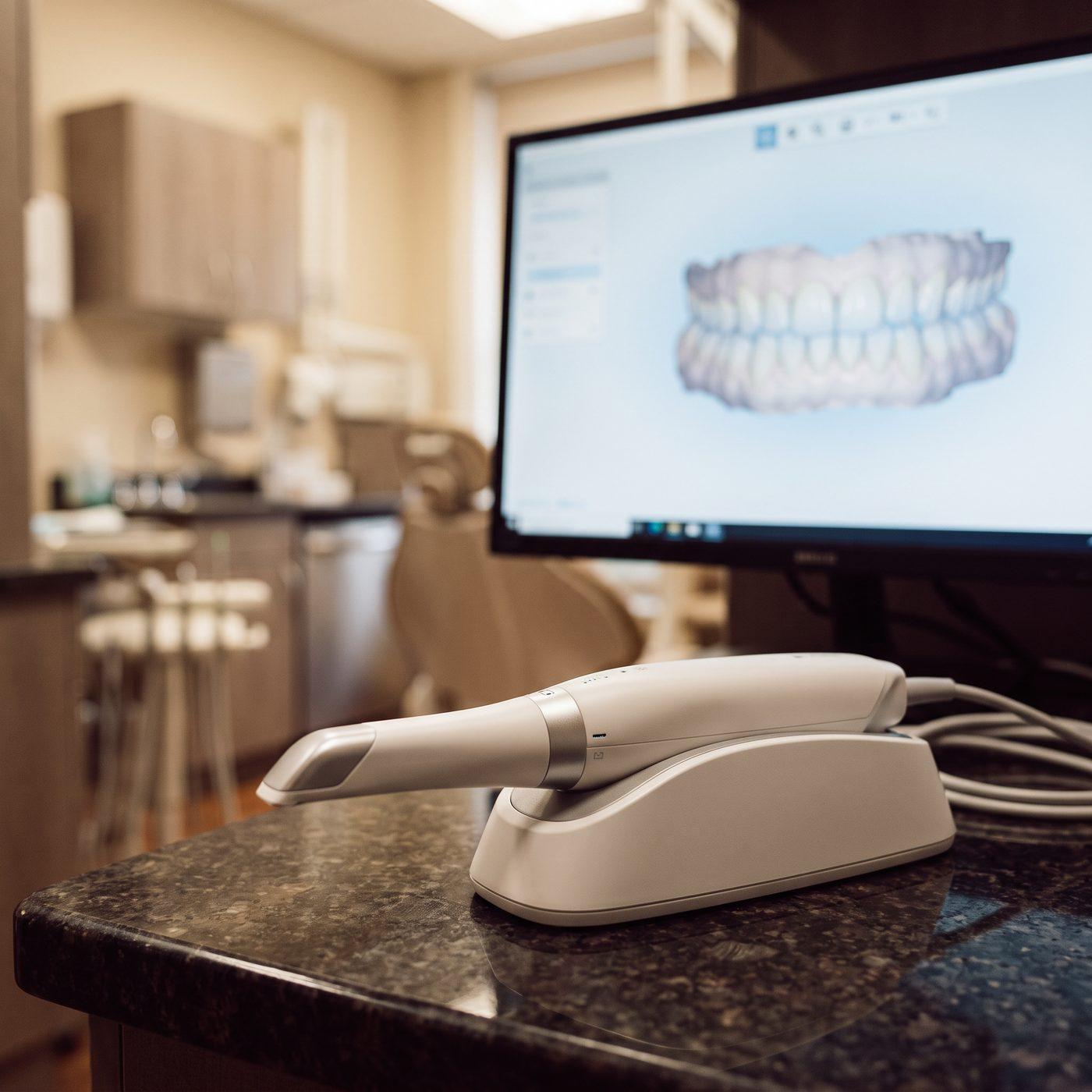
Precise digital impressions instead of trays filled with impression material.
Digital impressions
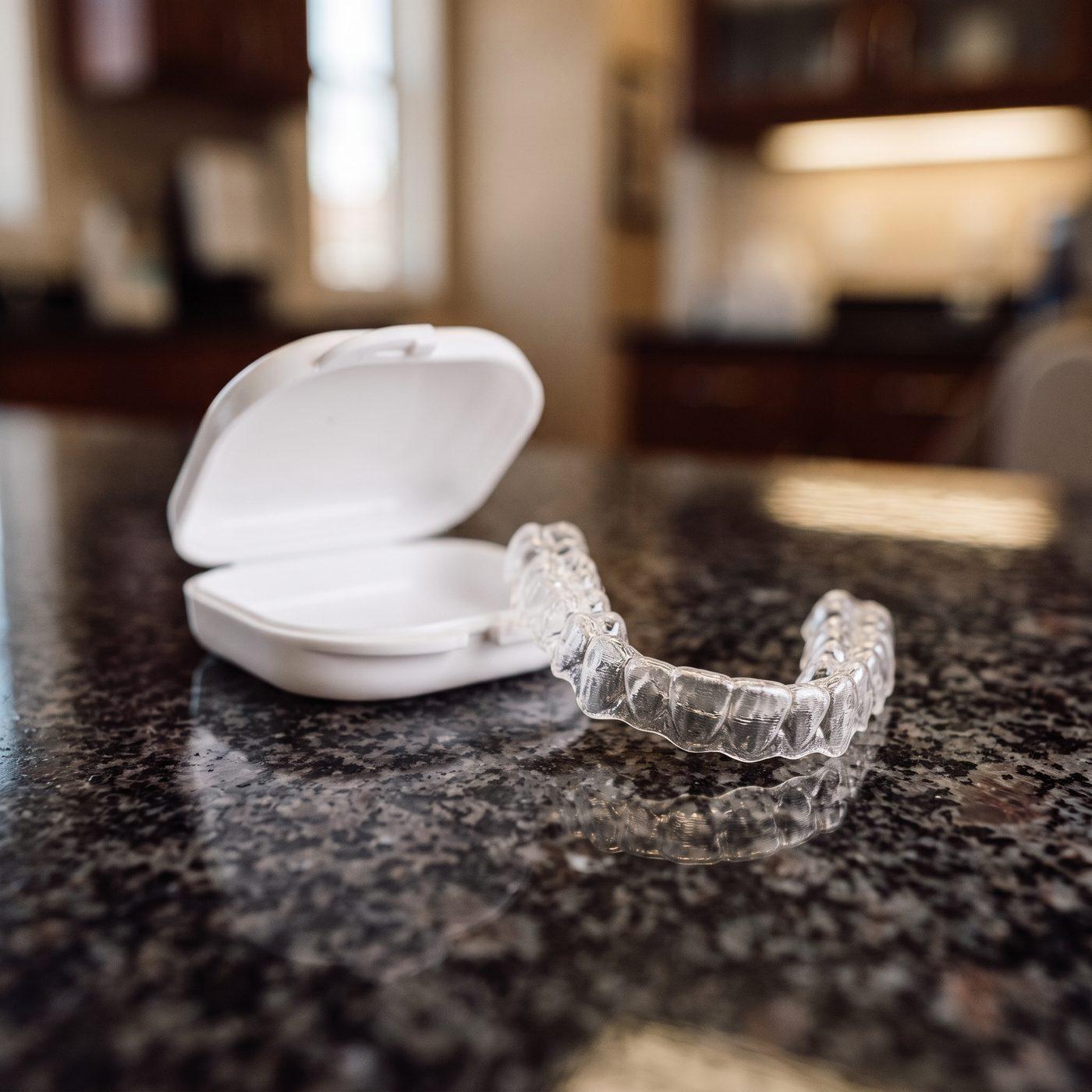
3D scans of your teeth for planning restorations and clear aligners.
In-house
Surgical guides, models and restorations made with our own 3D printers and lab.
Before you ask
Cost, pain, the unknown: answered.
If you're weighing implants or a bigger treatment, these are the three questions to settle first.
- Will it hurt?
Sedation from a certified dentist
We never judge your dental history. Dr. Sareen is certified in IV moderate sedation, oral sedation is available too, and a board-certified anesthesiologist joins us when needed, so you can choose how relaxed you want to be.
About sedation
- Can I afford it?
In-network with 13 plans
We're in-network with 13 insurance plans and offer financing through six partners, so treatment can be paid over time.
Insurance & financing
- What happens first?
A first visit that starts with answers
Your first visit includes an exam, screenings and a consultation. You leave knowing your options and the next step.
Book a consultation
Financing through
- Cherry
- CareCredit
- Sunbit
- Proceed
- HFD
- PatientFi