Treatment
Oral Appliance Therapy
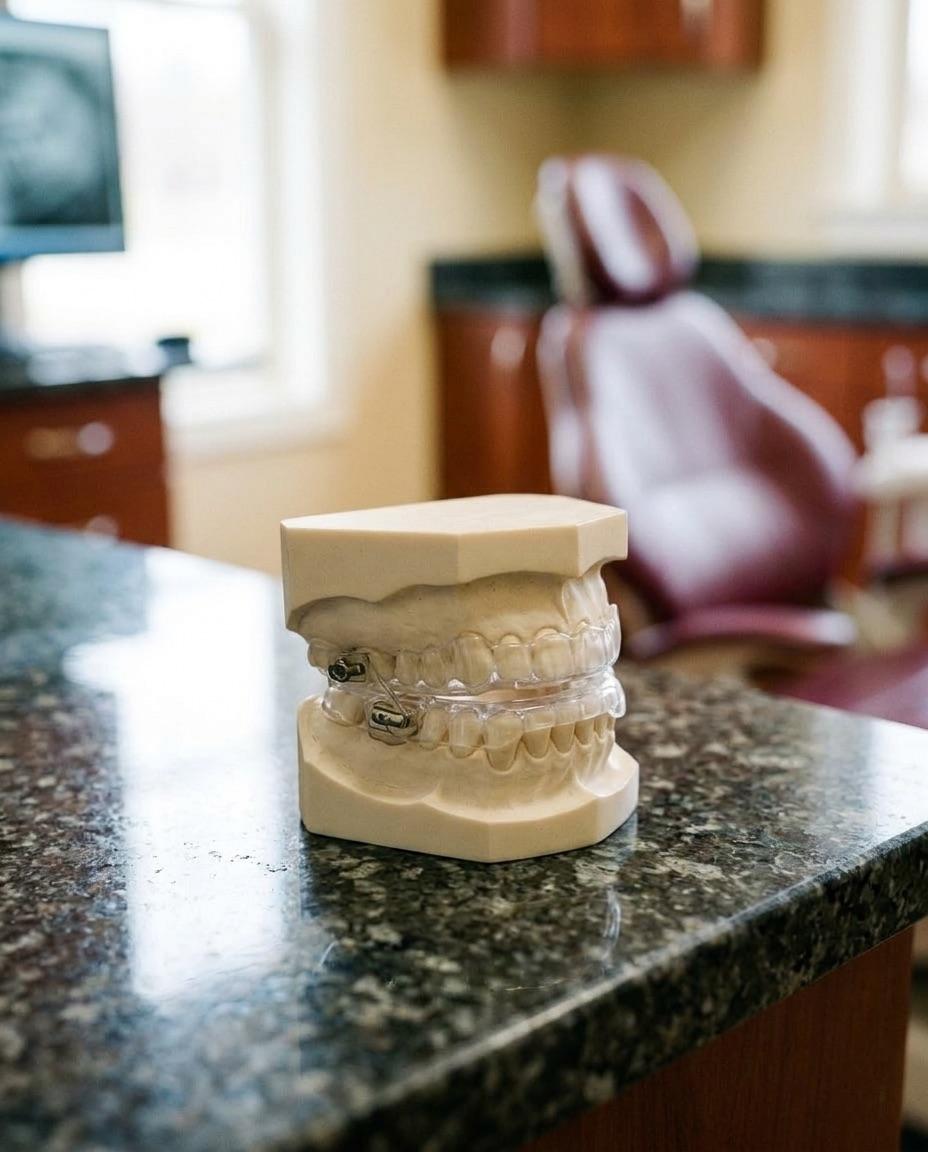
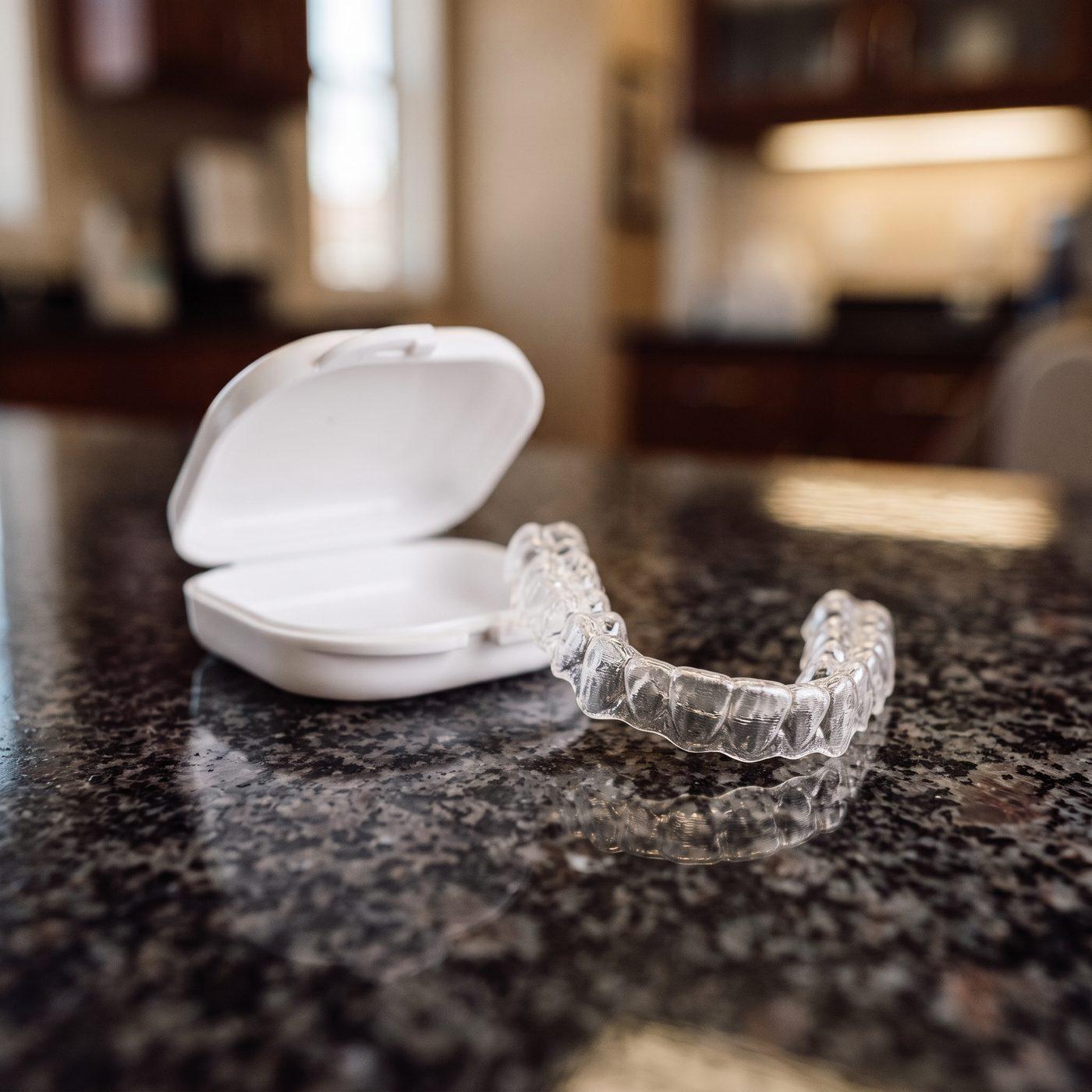
A custom oral appliance that gently repositions the jaw to help keep your airway open and reduce snoring.
Obstructive sleep apnea happens when your airway repeatedly narrows or closes while you sleep. Oral appliance therapy uses a custom mouthpiece to help keep your airway open, and it can also reduce snoring.
Sleep apnea is diagnosed with a sleep study ordered by a physician. If an oral appliance is right for you, we take a digital scan and make a custom device that gently moves your lower jaw forward while you sleep. We then adjust it over follow-up visits.
An oral appliance is a comfortable, quiet option for many people with mild to moderate sleep apnea or those who cannot tolerate a CPAP machine. Better breathing at night can mean more restful sleep.
FAQ
Frequently Asked Questions
Common questions about oral appliance therapy.
Loud snoring, gasping or choking during sleep, morning headaches, and feeling tired during the day are common signs. A partner often notices first.
Yes. Sleep apnea must be diagnosed by a physician with a sleep study. We work with your physician to see if an oral appliance is a good fit.
For many people with mild to moderate sleep apnea, or those who cannot use CPAP, an oral appliance can be an effective option. Your physician helps decide what is best.
Yes. Many patients and their partners notice less snoring with an oral appliance.
Custom appliances are designed to be comfortable. Most people adjust within a few nights, and we fine-tune the fit as needed.
Technology
Planned in 3D before treatment begins.
From the first scan to the final teeth, the technology that plans your care is here in our office. It helps us see clearly, but your plan is always built around your goals.
 01 / 06 · 3D imaging
3D imaging
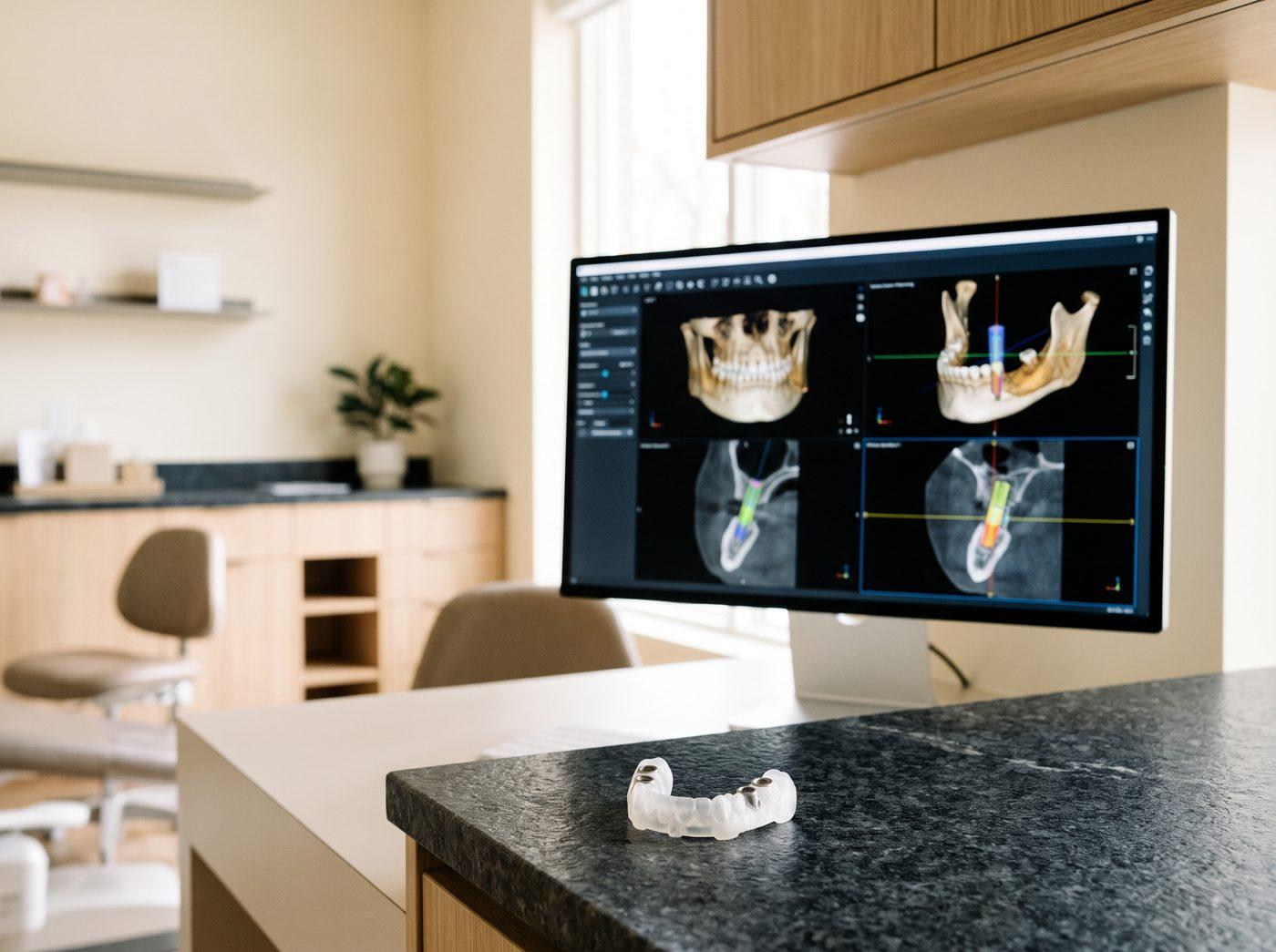
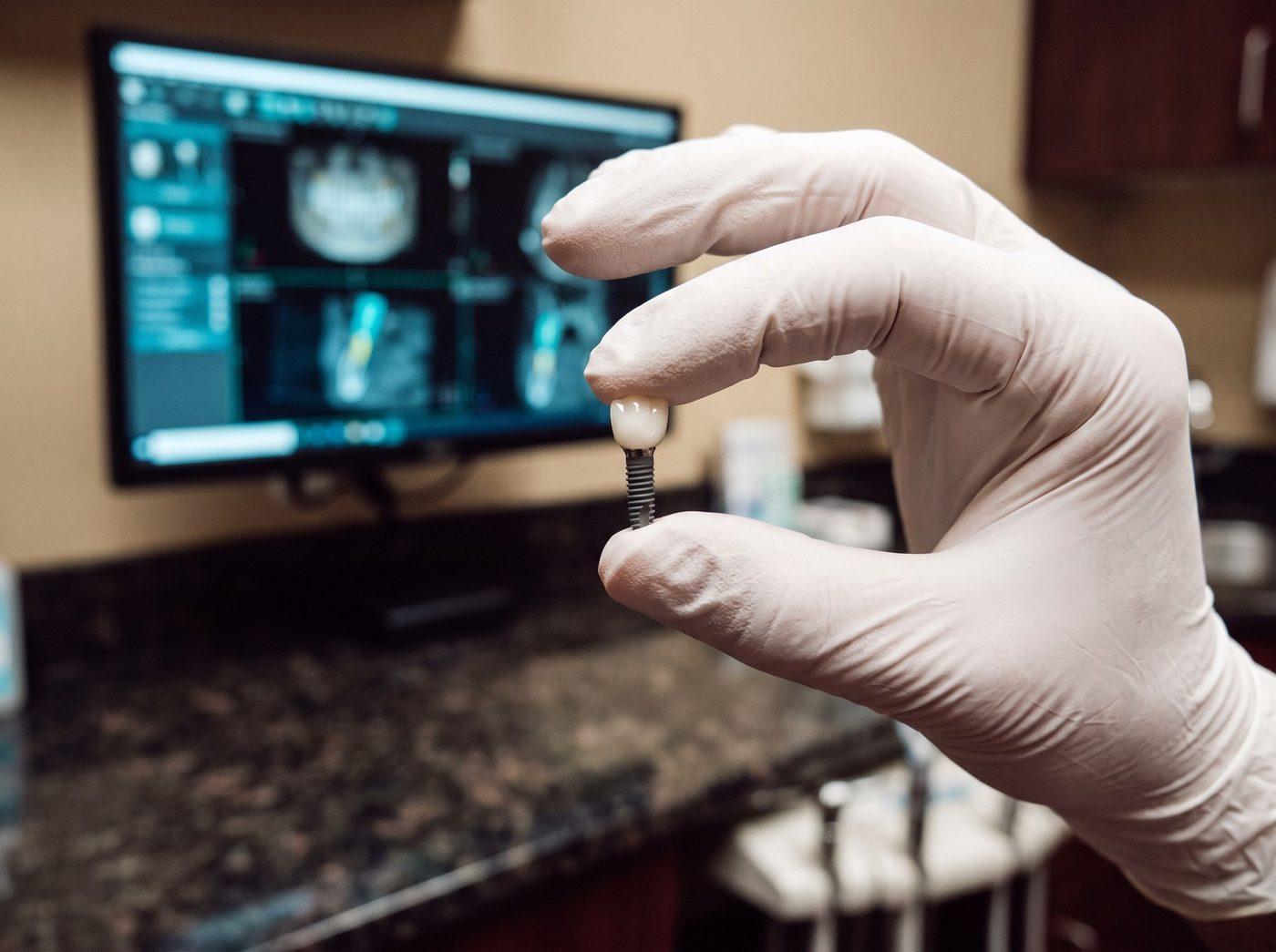
A 3D view of bone, nerves and sinuses, so implant placement is planned on your real anatomy.
Guided surgery
Implants are placed through a guide made from your scan, following the plan set in advance.
Comfort
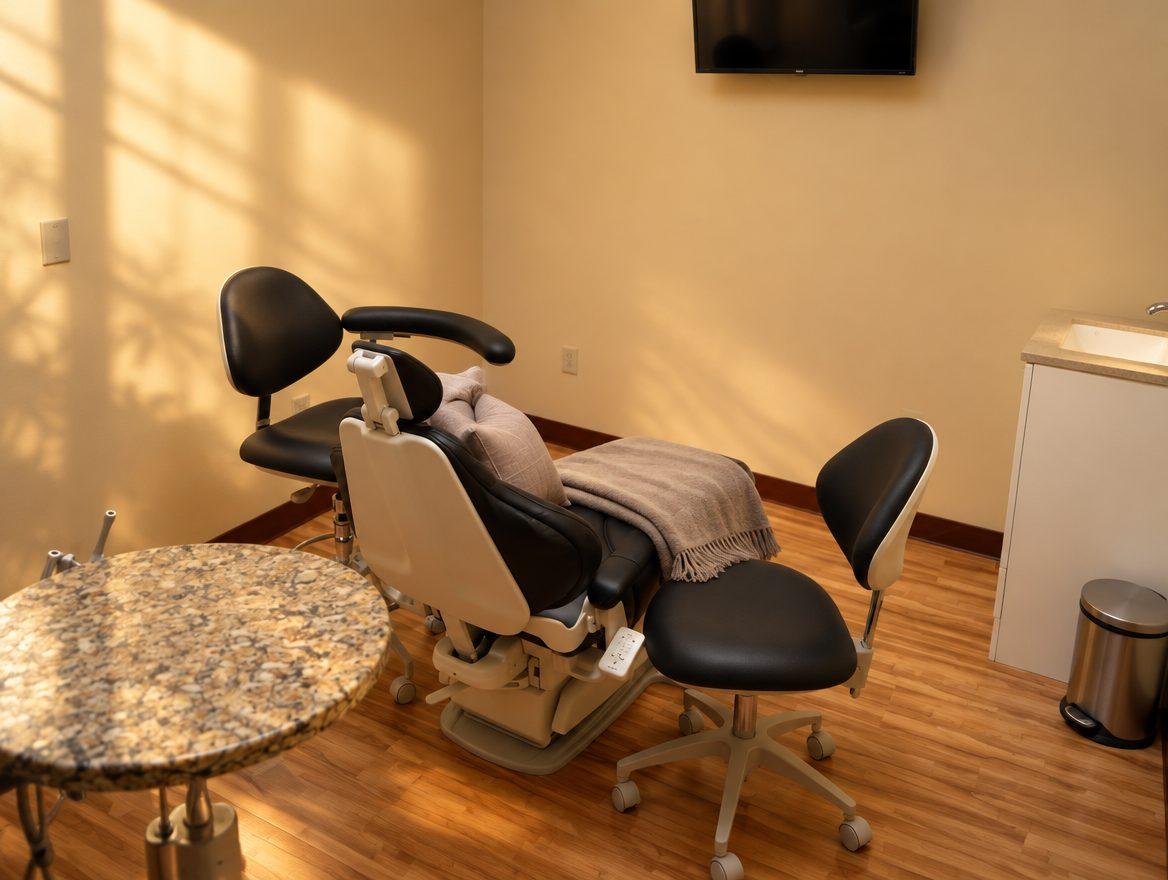
A dedicated space for IV moderate sedation during longer or more involved procedures.
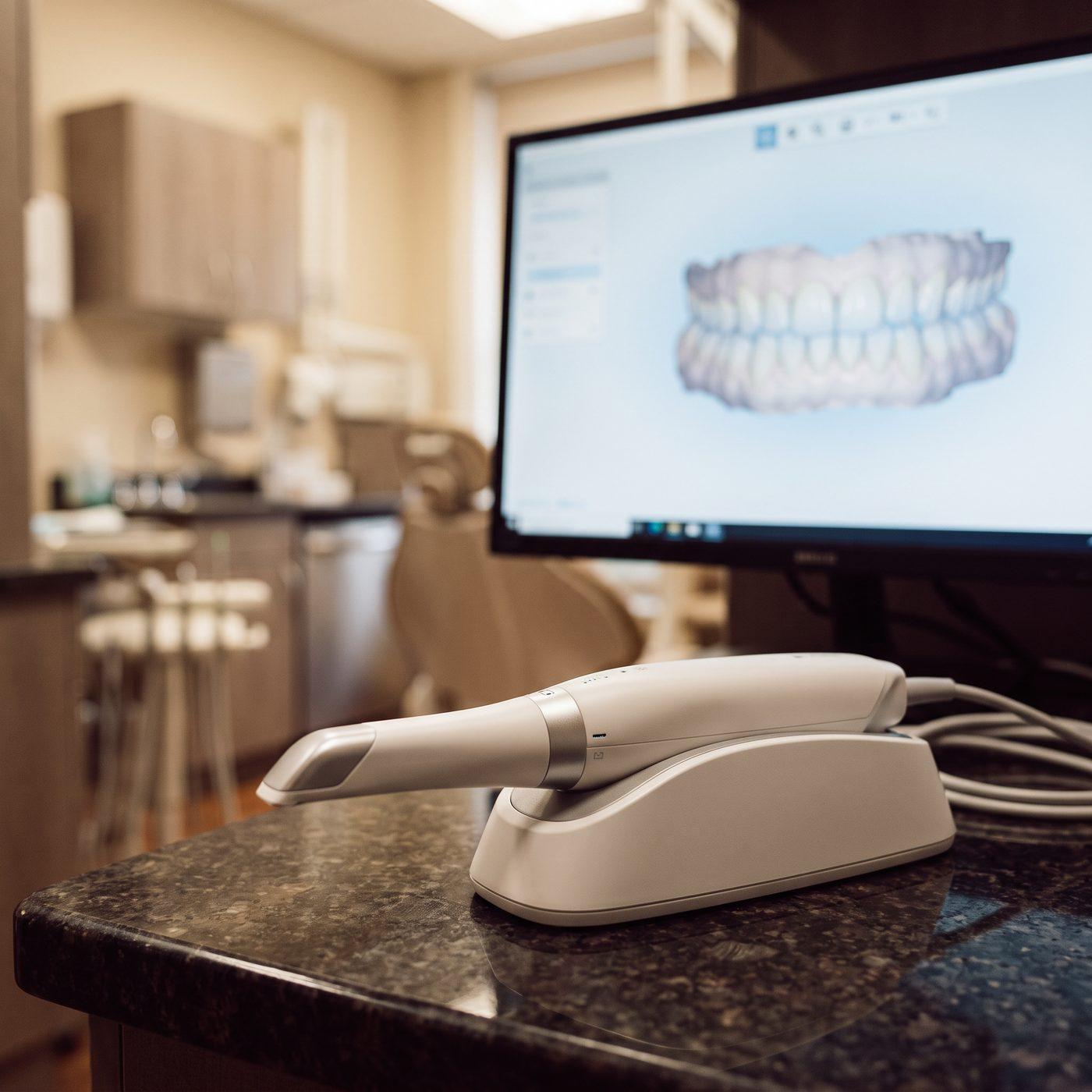
Digital impressions
Precise digital impressions instead of trays filled with impression material.
Digital impressions
3D scans of your teeth for planning restorations and clear aligners.
In-house
Surgical guides, models and restorations made with our own 3D printers and lab.
Before you ask
Cost, pain, the unknown: answered.
If you're weighing implants or a bigger treatment, these are the three questions to settle first.
- Will it hurt?
Sedation from a certified dentist
We never judge your dental history. Dr. Sareen is certified in IV moderate sedation, oral sedation is available too, and a board-certified anesthesiologist joins us when needed, so you can choose how relaxed you want to be.
About sedation
- Can I afford it?
In-network with 13 plans
We're in-network with 13 insurance plans and offer financing through six partners, so treatment can be paid over time.
Insurance & financing
- What happens first?
A first visit that starts with answers
Your first visit includes an exam, screenings and a consultation. You leave knowing your options and the next step.
Book a consultation
Financing through
- Cherry
- CareCredit
- Sunbit
- Proceed
- HFD
- PatientFi