Treatment
Wisdom Teeth Removal
Removal of impacted or problematic wisdom teeth, planned with 3D imaging and offered with IV or oral sedation.
Wisdom teeth are the last molars to come in, usually in your late teens or twenties. When they are impacted, crowded, or causing pain, removing them helps protect your other teeth and gums.
We use 3D imaging to see the position of each tooth and the nerves nearby. On the day of surgery, the area is numbed, and you can choose oral conscious sedation or IV sedation. Your teeth are removed gently, and you go home with clear aftercare instructions.
Removing problem wisdom teeth can relieve pain and pressure, lower the risk of infection, and help keep the teeth in front of them from getting crowded or damaged.
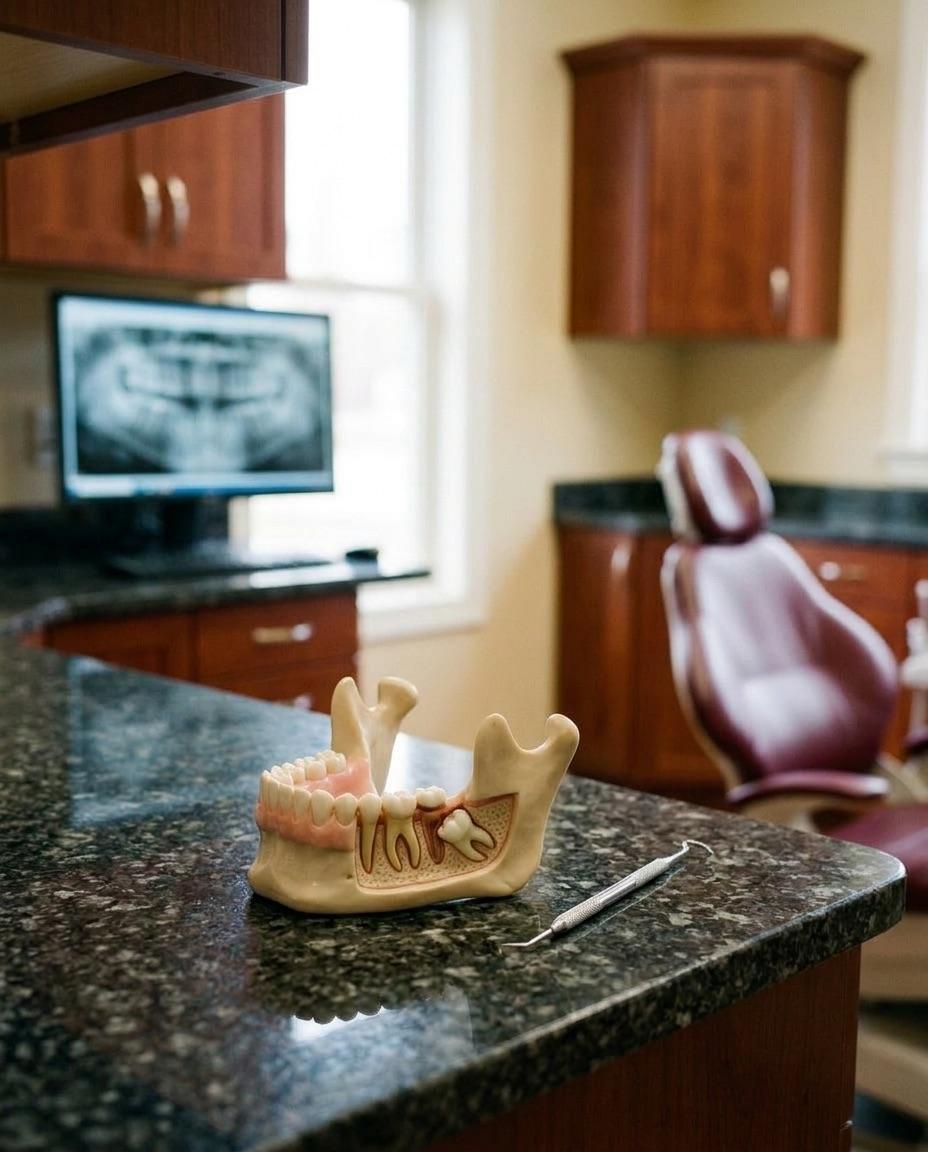
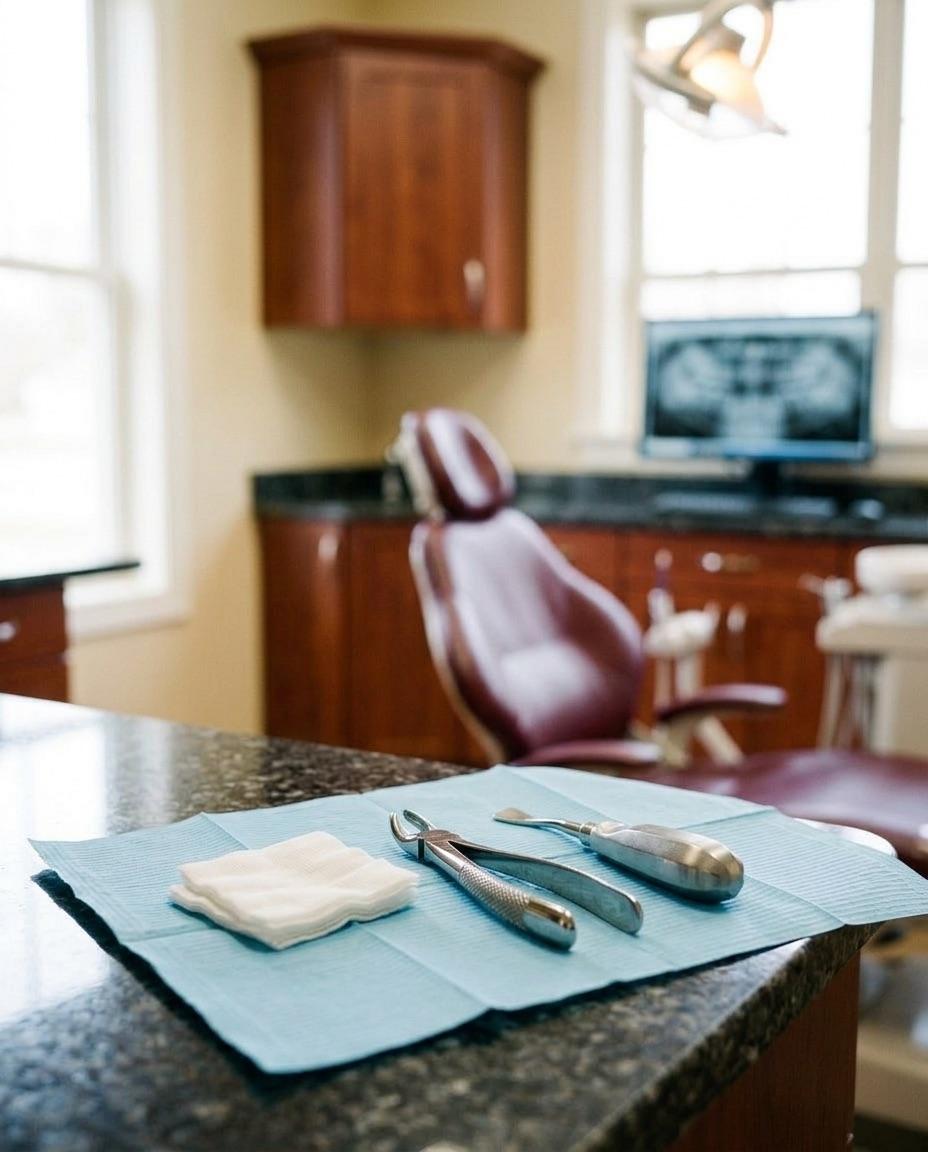
Wisdom teeth surgery
Wisdom teeth out, planned in 3D and done in our office.
Wisdom teeth usually come in between ages 17 and 25, and often there isn't room for them. They can erupt partway, grow in sideways or stay trapped under the gum or in the bone. That can lead to pain, infection and damage to the teeth next to them.
Dr. Sareen completed a postgraduate residency in oral surgery and has more than 19 years of experience removing wisdom teeth. Before surgery we take digital X-rays and a 3D CBCT scan to see the nerves and tissue nearby, so we can plan around them.
- Digital X-rays and 3D scan
- Oral or IV sedation available
- Done in our office
- Home the same day
What to expect
From your first scan to a comfortable recovery.
Not every wisdom tooth needs to come out. Your exam shows whether yours do, and when.
- 01
Exam and 3D scan
We look at your wisdom teeth and the teeth around them with digital X-rays and, when needed, a 3D scan. Then we explain what we see and your options.
- 02
Choose your comfort
Local anesthetic numbs the area. If you feel anxious, oral or IV sedation can help you relax through the whole procedure.
- 03
Surgery in our office
Your wisdom teeth are removed in our office surgery suite. There is no overnight stay.
- 04
Recovery at home
You go home the same day with written instructions and, if needed, medication to manage swelling and discomfort. We follow up to check your healing.
Why they're removed
- Pain or swelling
- Infection under the gum
- Decay in the tooth next door
- Gum disease and bone loss
- Cysts, which are uncommon
- To prevent problems later
Patient reviews
Care, in our patients' words.
 Fairfax, VA · Patient reviews
So glad I found Dr. Sareen. East Market Dental has a friendly staff and the most updated equipment. I have a really bad gagging issue and they even have a gel for my issue. I am definitely happy I found them.
Review 1 of 3, from Syndee C.
FAQ
Frequently Asked Questions
Common questions about wisdom teeth removal.
No. If they have room, come in straight, and are easy to clean, they may be fine. We check them on X-rays and recommend removal only when it makes sense for you.
With IV sedation, most patients feel deeply relaxed and remember little of the procedure. Oral conscious sedation is also available. Either way, the area is fully numbed.
Most people feel better within a few days and are back to their normal routine within about a week. Swelling and soreness usually peak around the second or third day.
Stick to soft, cool foods like yogurt, smoothies, and mashed potatoes for the first few days. Avoid straws, smoking, and crunchy foods while you heal.
Yes, if you have IV or oral sedation. Please plan for a responsible adult to drive you home and stay with you for the rest of the day.
Technology
Planned in 3D before treatment begins.
From the first scan to the final teeth, the technology that plans your care is here in our office. It helps us see clearly, but your plan is always built around your goals.
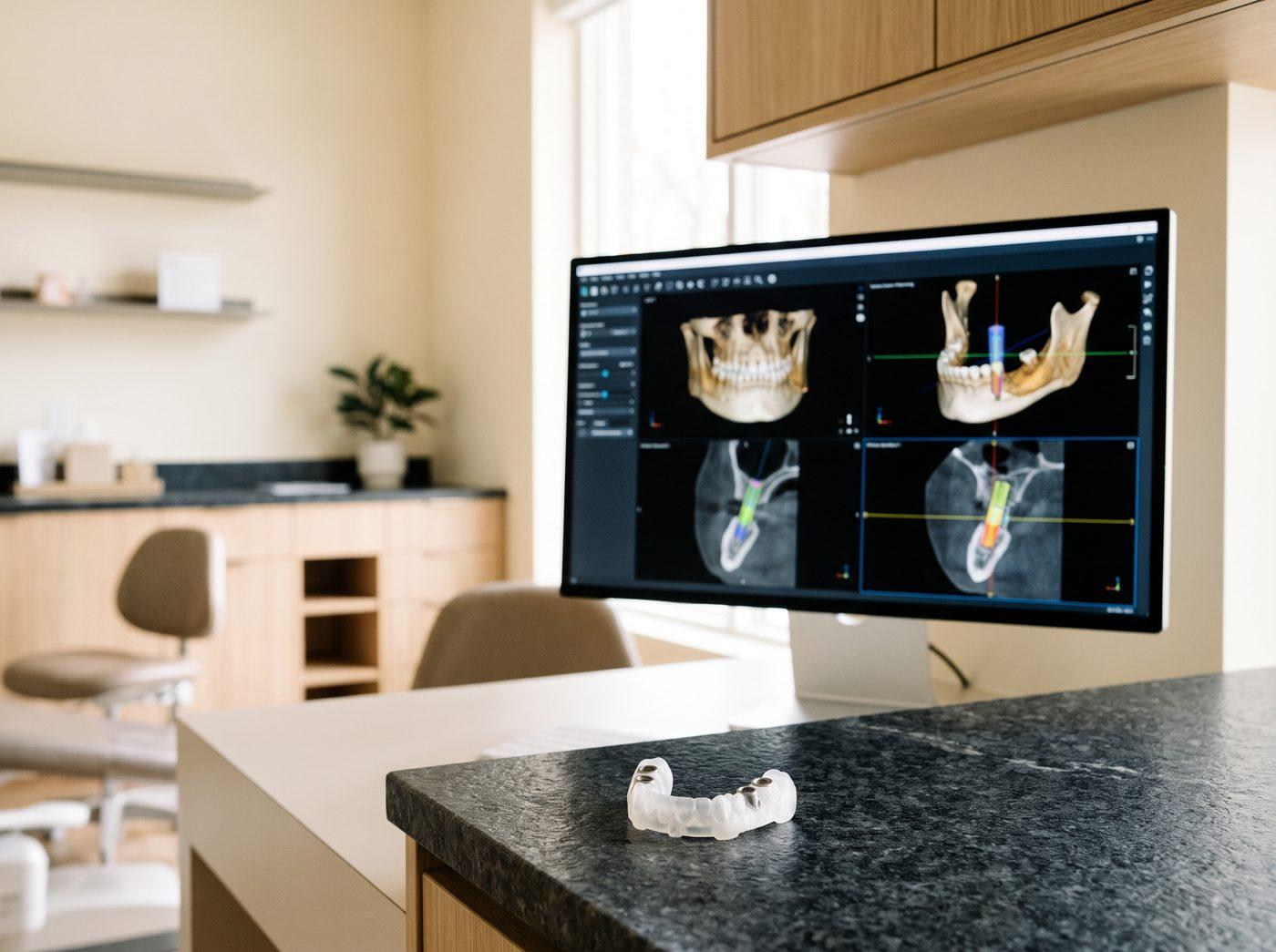
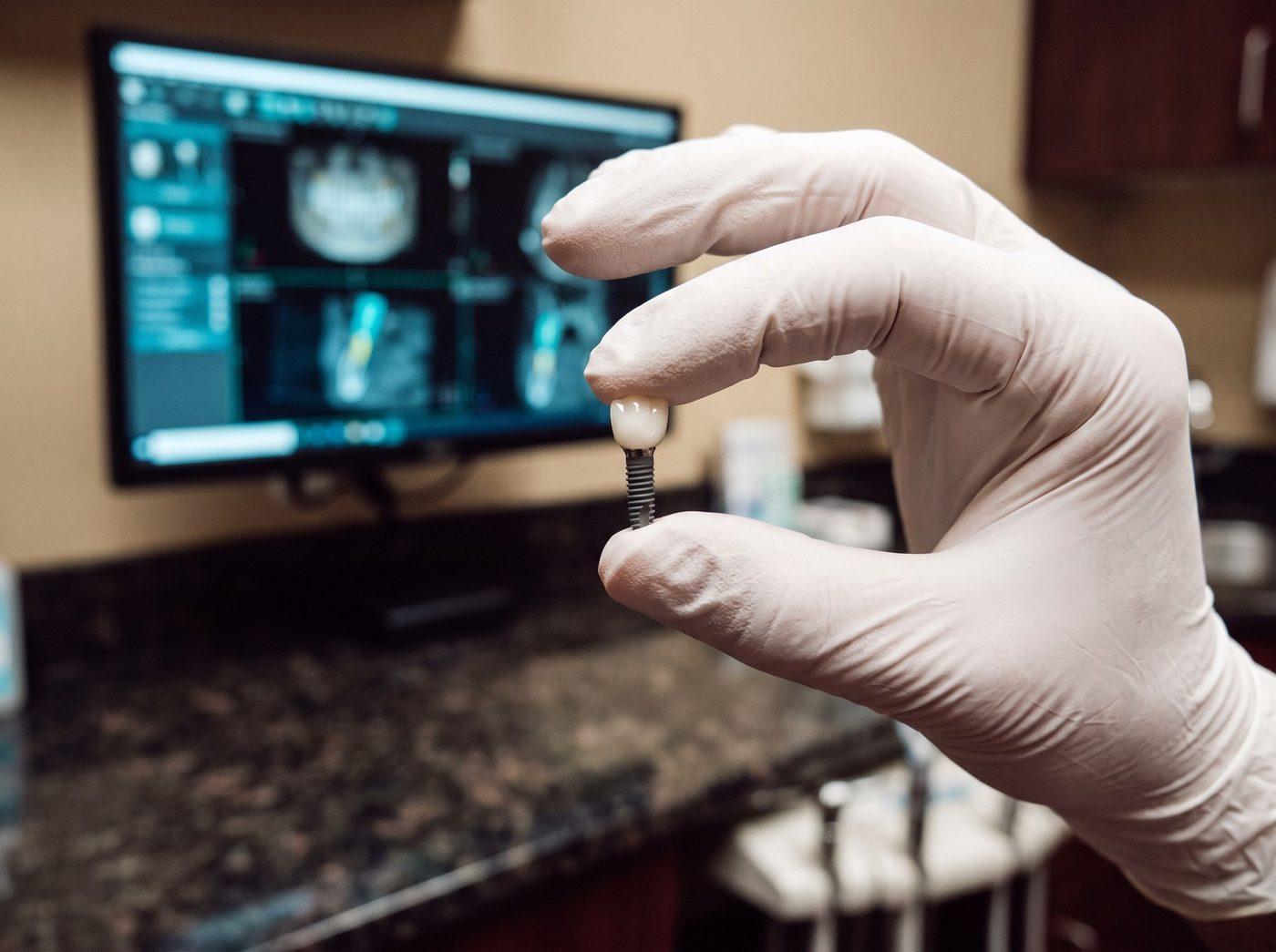
 01 / 06 · 3D imaging
3D imaging
A 3D view of bone, nerves and sinuses, so implant placement is planned on your real anatomy.
Guided surgery
Implants are placed through a guide made from your scan, following the plan set in advance.
Comfort
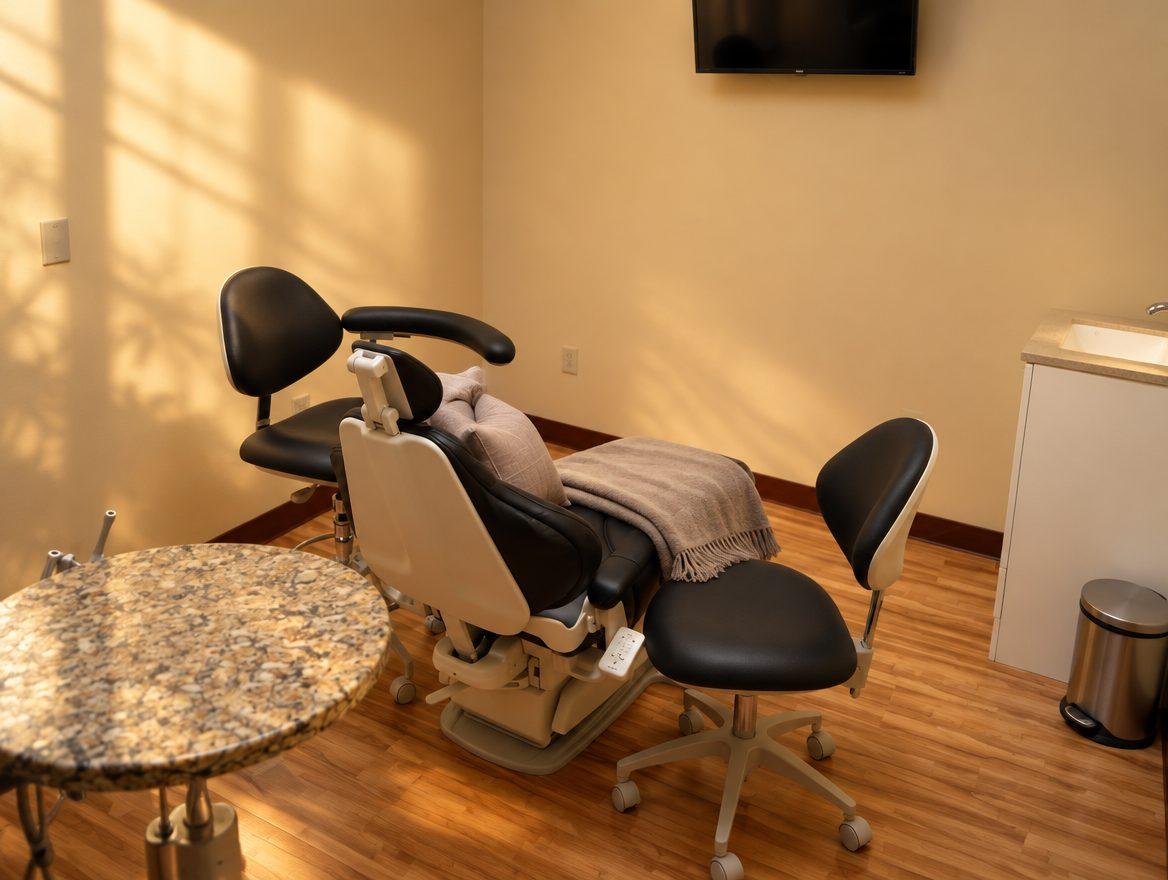
A dedicated space for IV moderate sedation during longer or more involved procedures.
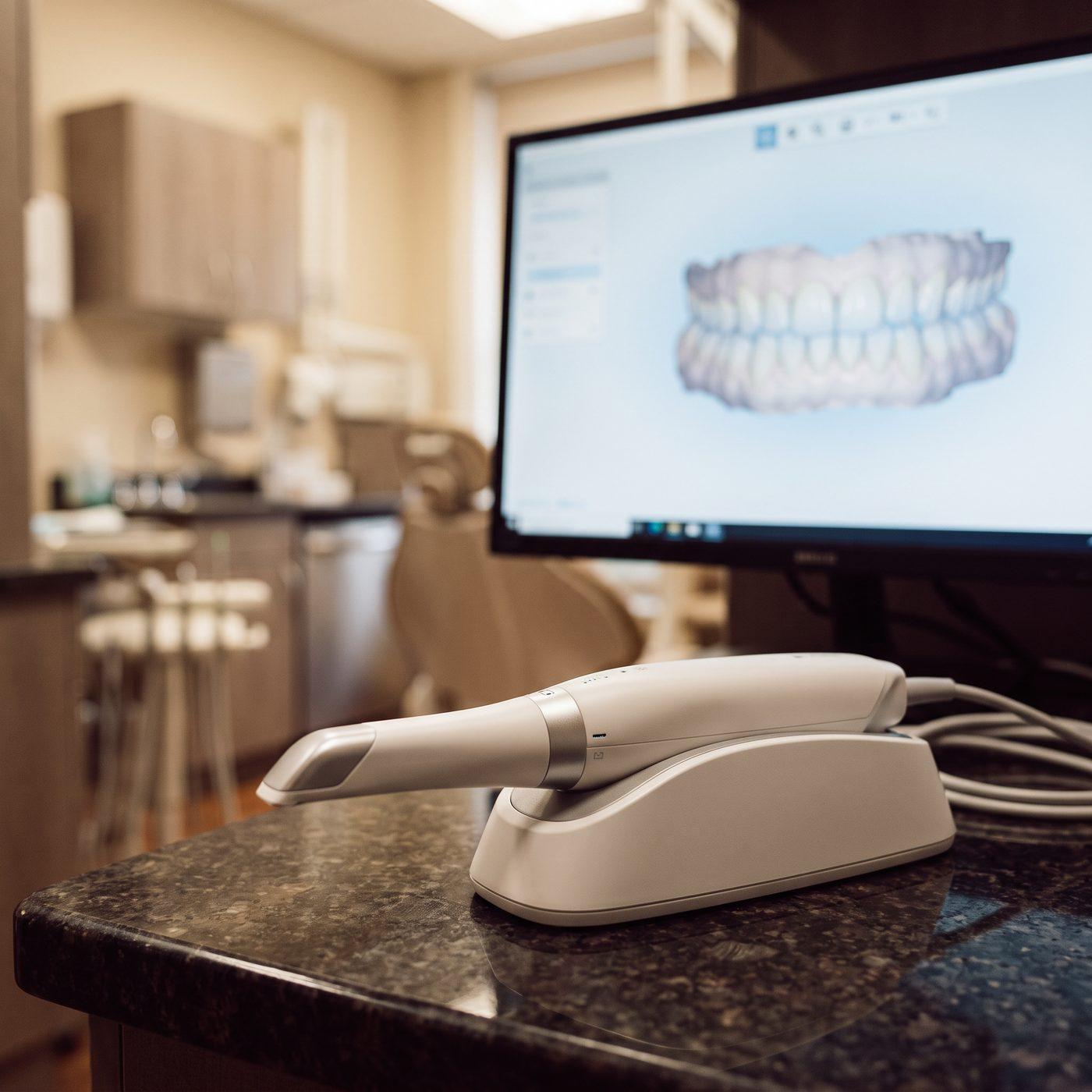
Digital impressions
Precise digital impressions instead of trays filled with impression material.
Digital impressions
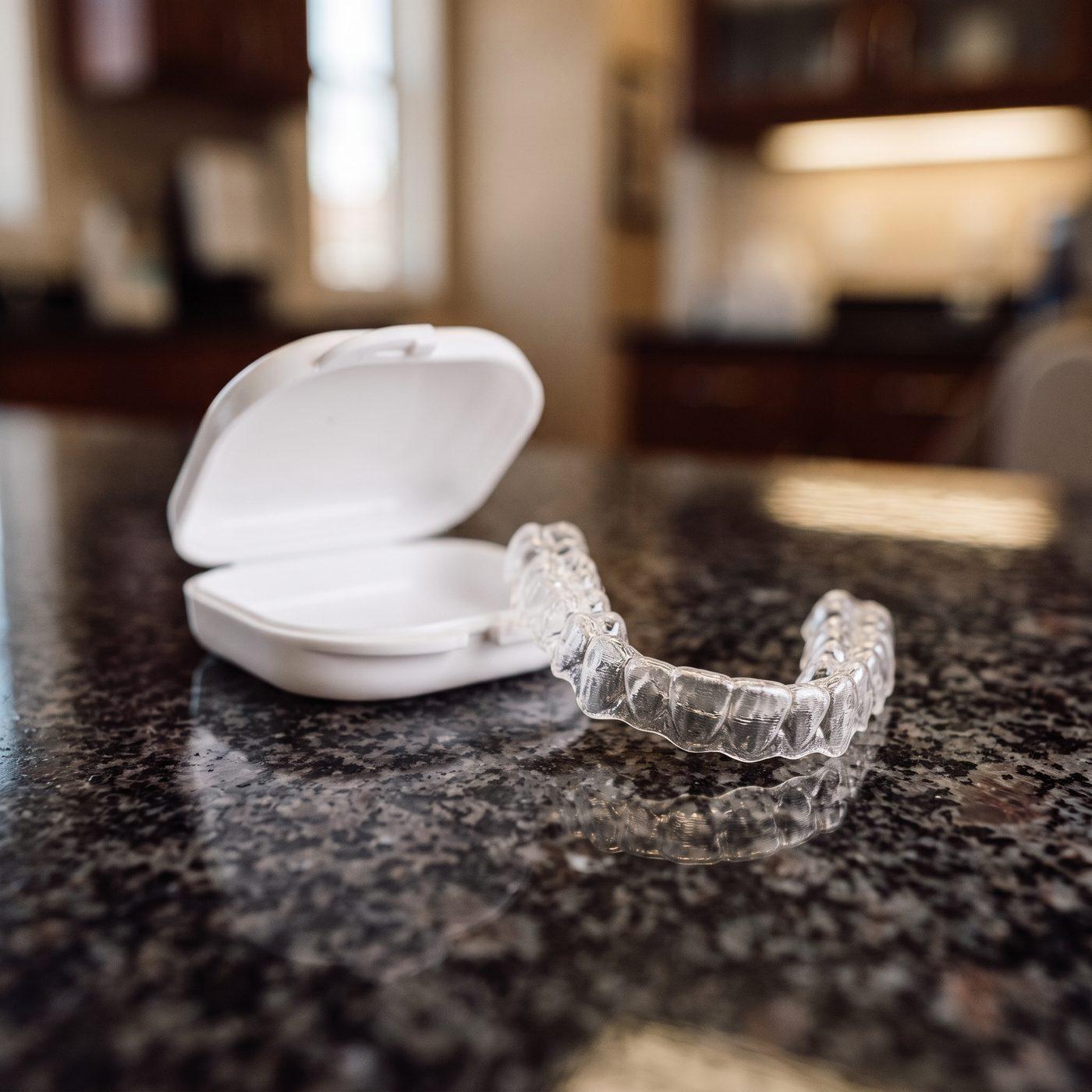
3D scans of your teeth for planning restorations and clear aligners.
In-house
Surgical guides, models and restorations made with our own 3D printers and lab.
Before you ask
Cost, pain, the unknown: answered.
If you're weighing implants or a bigger treatment, these are the three questions to settle first.
- Will it hurt?
Sedation from a certified dentist
We never judge your dental history. Dr. Sareen is certified in IV moderate sedation, oral sedation is available too, and a board-certified anesthesiologist joins us when needed, so you can choose how relaxed you want to be.
About sedation
- Can I afford it?
In-network with 13 plans
We're in-network with 13 insurance plans and offer financing through six partners, so treatment can be paid over time.
Insurance & financing
- What happens first?
A first visit that starts with answers
Your first visit includes an exam, screenings and a consultation. You leave knowing your options and the next step.
Book a consultation
Financing through
- Cherry
- CareCredit
- Sunbit
- Proceed
- HFD
- PatientFi